
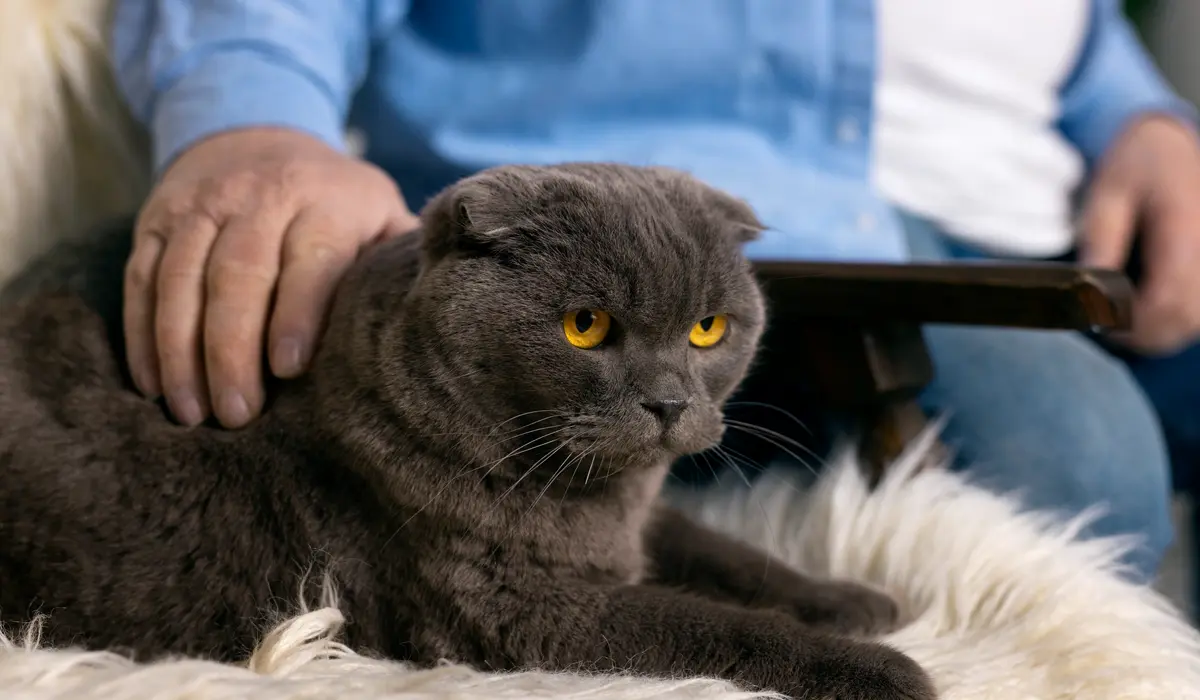
Why Rare Cat Breeds Fascinate Us
Every cat is unique, but some stand out in ways that seem almost otherworldly. From curly coats and folded ears to hairless skin and deep sapphire eyes, rare cat breeds tell a story of evolution, genetics, and human curiosity.
While most of us are familiar with Persians, Siamese, or Maine Coons, there’s a hidden world of felines that few people ever meet — breeds so rare that only a few hundred exist worldwide. These cats aren’t just prized for their looks; their genetics often make them both fascinating and fragile.
Understanding them isn’t about prestige — it’s about care. Each rare breed comes with its own health considerations, temperament quirks, and environmental needs. Owning one means becoming part of its preservation story.
What Makes a Cat Breed “Rare”?
A cat breed becomes rare for a few key reasons — and not all of them are intentional.
- Limited Breeding Population
Some breeds, like the American Wirehair or Serengeti, have such small gene pools that only a handful of professional breeders exist globally. - Complex Genetics
Breeds created through selective mutations — such as curled ears or hairless coats — often require careful management to avoid inherited disorders. - Geographic Isolation
Certain breeds developed in small regions and remain tied to their origin country, like the Japanese Bobtail or Sokoke from Kenya. - Selective Breeding Ethics
Responsible breeders limit pairings to avoid health issues, which keeps numbers low but maintains quality and genetic health. - Lack of Popularity or Recognition
Some breeds are simply unknown to the general public or not yet recognized by major cat associations, keeping them under the radar.
In short, rarity doesn’t mean superiority — it means specialization. And specialization requires awareness.
The Genetic Puzzle Behind Uniqueness
Many rare breeds exist because of spontaneous genetic mutations — natural variations that produce distinct traits like curled fur, shortened legs, or unique eye colors.
Breeders carefully preserved these traits through selective breeding, but maintaining them can come at a cost: limited genetic diversity.
For example:
- The Scottish Fold’s iconic ears result from a cartilage mutation linked to joint issues.
- The Sphynx’s hairlessness comes from a recessive gene affecting skin oils and temperature regulation.
- The Munchkin’s short legs stem from a mutation similar to dwarfism in humans.
Understanding these origins helps explain why some breeds are beautiful but biologically delicate. It also underscores why genetic testing and careful breeding practices are essential for their survival.
The Role of Responsible Breeding
Rare doesn’t always mean endangered — but it can if breeders prioritize appearance over health.
Modern ethical breeders follow strict protocols to reduce inherited conditions. These include:
- DNA screening for genetic disorders
- Avoiding inbreeding through registry tracking
- Early health testing for kittens
- Transparency with owners about potential risks
Without this diligence, rare breeds can suffer from reduced immune strength or shortened lifespans — a tragic outcome for animals meant to thrive.
Common Health Themes Among Rare Breeds
Though each breed has its own conditions, certain health challenges recur among rare and selectively bred cats:
| Health Category | Common Concerns | Why It Matters |
|---|---|---|
| Skeletal & Joint | Arthritis, bone deformities | Often linked to mutations (e.g., folded ears, short legs) |
| Cardiac | Hypertrophic cardiomyopathy (HCM) | Common in purebreds like Bengals and Scottish Folds |
| Respiratory | Narrow airways or short muzzles | Especially in flat-faced breeds |
| Dermatological | Skin sensitivity or infections | Common in hairless cats |
| Reproductive | Smaller litters or fertility challenges | Due to limited gene diversity |
| Immunity | Weaker defenses, allergies | Results from inbreeding or closed gene pools |
Awareness of these themes helps owners catch problems early — before they turn into emergencies.
Why Veterinary Care for Rare Breeds Requires Specialization
Not all vets are familiar with rare breed genetics. Some conditions require specialized knowledge or advanced screening tools.
For example:
- Cardiac ultrasounds for breeds predisposed to heart issues.
- Joint X-rays for cats with limb mutations.
- Regular skin and temperature monitoring for hairless breeds.
Finding a veterinarian experienced in feline genetics or working with breed-specific organizations ensures accurate diagnosis and preventive care.
Nutrition and Environment: Supporting Genetic Diversity
Because rare breeds often have unique physiology, standard “one-size-fits-all” cat diets may not work.
For example:
- Hairless breeds need higher-calorie diets to regulate body temperature.
- Short-nosed cats may benefit from wet food to aid easier breathing.
- Long-coated or curly-haired breeds need extra hydration and omega-rich diets to maintain coat health.
Environment matters too — these cats thrive in stable, temperature-controlled, low-stress homes. The fewer fluctuations they face, the more resilient their health remains.
The Ethics of Owning a Rare Breed
Owning a rare cat isn’t about collecting an exotic pet — it’s about commitment to preservation.
These cats often live best with owners who:
- Understand breed-specific health care.
- Support responsible breeding organizations.
- Avoid unverified online sellers.
- Promote spaying/neutering when not breeding.
When done right, ownership contributes to genetic diversity and keeps these breeds healthy for generations.
When done wrong, it fuels unethical breeding and shortens lifespans.
How Rare Are These Cats, Really?
To understand just how unusual some of these felines are:
- Fewer than 100 American Wirehairs are registered globally.
- The Sokoke breed has fewer than 50 known cats outside Kenya.
- The Lykoi (“Werewolf Cat”) population is under 500 worldwide.
- Even popular-seeming breeds like the Sphynx make up less than 1% of all registered cats in the U.S.
Each one is a living genetic treasure — and a responsibility to protect.
Why Studying Rare Breeds Helps All Cats
Genetic research on rare breeds often improves care for all cats.
When scientists study mutations in breeds like the Devon Rex or Peterbald, they learn how genes affect bone growth, heart health, or coat function across species.
This knowledge contributes to treatments, diagnostic tools, and even understanding of human diseases.
So when a breeder preserves a rare cat line responsibly, they’re not just protecting beauty — they’re advancing science.
A Preview of What’s Ahead
In the next sections, we’ll meet 15 of the world’s rarest cat breeds, each with its own origin story, temperament, and unique health profile.
Some are ancient natural breeds; others are modern marvels of genetics.
All share one thing in common: they challenge our idea of what “normal” looks like — and remind us how diverse and remarkable the feline species truly is.
1. American Wirehair
Origin and Rarity
The American Wirehair is one of the rarest naturally occurring cat breeds in the world.
It began from a spontaneous mutation in 1966 in upstate New York, when a kitten in a litter of farm cats was born with a wiry, spring-like coat. Breeders recognized the mutation as stable and distinct, leading to the creation of the American Wirehair breed.
Today, fewer than 100 are registered worldwide, making it one of the most exclusive feline lines.
Appearance and Personality
Their coat feels textured, almost like fine steel wool — dense, crimped, and resilient. Despite their unusual look, American Wirehairs are sturdy, medium-sized cats with round faces and gentle eyes.
They’re affectionate but not clingy, social but calm. They fit well into family life, adapting easily to both quiet and active homes.
Unique Health Needs
- Coat Care: Their wiry coat can trap oil and dirt. Weekly gentle brushing prevents buildup without stripping natural oils.
- Skin Sensitivity: Because of their dense hair structure, they can develop mild dermatitis or folliculitis. Avoid harsh shampoos and opt for hypoallergenic grooming products.
- Genetic Strength: Unlike many rare breeds, the Wirehair has robust health overall. Maintaining genetic diversity is key — breeders must avoid excessive inbreeding to preserve this advantage.
2. Lykoi (The “Werewolf Cat”)
Origin and Rarity
The Lykoi, nicknamed the “Werewolf Cat,” is a natural mutation from domestic short-haired cats that causes partial hairlessness and a distinctive patchy coat.
Developed as a recognized breed in the early 2010s by breeders in the U.S., the Lykoi population remains under 500 worldwide.
Appearance and Personality
Their striking, sparse fur and yellow-gold eyes give them a mythical look — half wild, half mystical. But personality-wise, they’re gentle, playful, and remarkably loyal.
They bond strongly with one or two people and tend to shadow their favorite human from room to room.
Unique Health Needs
- Skin Health: Due to partial hairlessness, they need protection from sunburn and temperature extremes.
- Oil Imbalance: Their skin can become oily without fur to absorb sebum, so monthly gentle baths with mild cat-safe shampoo are beneficial.
- Heart Screening: Some lines show susceptibility to hypertrophic cardiomyopathy (HCM) — regular cardiac ultrasounds are recommended every 1–2 years.
- Dental Sensitivity: Sparse fur sometimes coincides with enamel weakness — regular dental checks are advised.
Despite their spooky name, Lykois are surprisingly healthy and long-lived when bred responsibly.
3. Sokoke
Origin and Rarity
The Sokoke cat comes from the coastal forests of Kenya, where it evolved naturally without human intervention.
Locals considered it a semi-wild forest cat until the late 1970s, when European breeders began carefully domesticating the line.
Even today, the Sokoke remains one of the world’s rarest natural cat breeds, with fewer than 50 known individuals outside Africa.
Appearance and Personality
The Sokoke is slender, elegant, and athletic, with a marbled tabby pattern that mimics the dappled light of its forest home. Its long legs and almond-shaped eyes give it a wild grace.
Behaviorally, it’s alert, vocal, and deeply loyal — often described as “dog-like.” It forms intense bonds and dislikes being left alone for long periods.
Unique Health Needs
- Genetic Resilience: As a natural breed, Sokokes are generally healthy, with strong immune systems and minimal inherited disease.
- Climate Sensitivity: Having evolved in warm, humid climates, they can be prone to dry skin or sinus issues in cold, dry environments.
- Exercise Needs: They require plenty of physical stimulation — cat trees, climbing spaces, and interactive play are essential to avoid stress.
- Diet: High-protein diets mirror their wild roots best, supporting lean muscle tone and joint health.
The Sokoke thrives when given space and structure — think of them as miniature jungle athletes in your living room.
4. Peterbald
Origin and Rarity
The Peterbald is a modern Russian breed created in St. Petersburg in the 1990s by crossing the Oriental Shorthair with the hairless Donskoy.
The result: an elegant, elongated cat that may be fully hairless, velvety (“flocked”), or lightly coated.
Peterbalds are still rare outside Eastern Europe and the U.S., but their population is slowly growing.
Appearance and Personality
They resemble a more refined version of the Sphynx — long limbs, almond eyes, and graceful build. Their personalities are affectionate, curious, and social. Peterbalds love attention, often following their owners like shadows.
They’re vocal, expressive, and form lifelong attachments.
Unique Health Needs
- Skin Care: Hairless Peterbalds need regular baths to remove oil buildup. Their skin is delicate and must be protected from direct sun and cold.
- Temperature Regulation: Keep their environment between 70–80°F (21–26°C).
- Dental Health: Genetic links between hairlessness and tooth development can cause gum sensitivity or early tooth loss — biannual dental exams are advised.
- Immune Sensitivity: Because of selective breeding, some lines have mild immune fragility — routine checkups and vaccinations are vital.
When cared for properly, Peterbalds live long, affectionate lives and make extraordinary companions for devoted owners.
5. Turkish Van
Origin and Rarity
Often called the “swimming cat,” the Turkish Van originated in the Lake Van region of Turkey, where it naturally developed a unique, water-resistant coat.
Unlike most cats, Vans are known for their love of swimming and water play — a behavior inherited from generations living near lakes and rivers.
Although ancient in origin, genuine Turkish Vans are rare outside Turkey, with only a few thousand registered worldwide.
Appearance and Personality
They are semi-longhaired with a striking “van pattern” — mostly white bodies with color only on the head and tail. Their eyes can be amber, blue, or heterochromatic (one of each).
Vans are confident, athletic, and highly intelligent. They often choose one or two favorite humans and develop playful, almost dog-like loyalty.
Unique Health Needs
- Heart Health: Some Vans carry genes linked to hypertrophic cardiomyopathy (HCM) — annual cardiac screening is recommended.
- Joint Health: Their strong, muscular builds make them jumpers; joint supplements help maintain mobility.
- Weight Control: Because they’re active, owners sometimes overfeed them. Maintaining lean body mass prevents metabolic strain.
- Ear Sensitivity: White Vans with blue eyes can be predisposed to partial deafness — regular hearing checks in kittens are advised.
Turkish Vans combine beauty and athleticism in a way few breeds can match — but they thrive only with attentive, interactive homes that let them explore.
Patterns Emerging in Rare Breed Health
Across these first five breeds, a few consistent truths appear:
- Many rare breeds come from spontaneous mutations — wonderful but delicate.
- Skin, heart, and dental care are recurring priorities.
- Balanced environments — moderate temperature, gentle grooming, routine vet care — make all the difference.
Owning one of these cats is like keeping a living artwork — beautiful, unique, and deserving of mindful stewardship.
6. Burmese
Origin and Rarity
The Burmese cat originated in Southeast Asia, specifically Burma (now Myanmar), and was first brought to the United States in the 1930s. All modern Burmese cats trace their lineage to a single female named Wong Mau.
While not obscure in name, the true original Burmese line — particularly the American variety — is increasingly rare due to selective breeding and genetic narrowing.
⬇️Also Read: ⬇️
Pet Grooming Business 101: From Startup Costs to Legal Requirements
Appearance and Personality
Compact, muscular, and glossy-coated, Burmese cats are built like little athletes. Their expressive golden eyes and deep brown (“sable”) coats are iconic.
They’re known for being “dog-like” in loyalty, following their owners everywhere and thriving on human contact. They don’t like being alone, so companionship is essential.
Unique Health Needs
- Heart Conditions: Burmese cats have a genetic predisposition to hypertrophic cardiomyopathy (HCM) and, in rare cases, endocardial fibroelastosis, a congenital heart condition.
- Diabetes: Some lines are prone to insulin resistance; diet management is critical.
- Obesity Risk: Their affectionate personalities and love for food make portion control important.
- Dental Hygiene: Soft kibble diets can lead to plaque buildup; brushing and dental treats help maintain oral health.
Routine checkups every six months ensure early detection of cardiac or metabolic changes.
7. Cornish Rex
Origin and Rarity
The Cornish Rex was born in Cornwall, England, in 1950, when a curly-coated kitten named Kallibunker appeared in a litter of farm cats. Breeders preserved his unique mutation, creating a cat with fine, wavy fur and a whippet-like physique.
Cornish Rexes remain rare due to limited breeding and their delicate gene pool.
Appearance and Personality
The Cornish Rex is instantly recognizable: long legs, oversized ears, and a coat so soft it feels like velvet. They’re often described as the greyhounds of the cat world — lean, fast, and full of energy.
They adore people and hate solitude. Expect them to perch on shoulders, sleep under blankets, and involve themselves in every activity.
Unique Health Needs
- Temperature Sensitivity: With almost no protective outer coat, they’re vulnerable to cold. Keep indoor temperatures stable and provide cozy resting spots.
- Digestive Sensitivity: Some have delicate stomachs — easily triggered by diet changes or rich foods. Gradual transitions prevent stomach upset.
- Musculoskeletal Care: Their slender bodies and active nature can lead to muscle strain; play should be safe and non-impactful.
- Skin Health: Weekly gentle baths remove oil buildup and prevent acne on the chin or ears.
The Cornish Rex thrives in warm homes filled with human attention — they’re emotional extroverts in feline form.
8. LaPerm
Origin and Rarity
The LaPerm is another naturally occurring curly-coated breed, first appearing in Oregon in the 1980s. A farm cat gave birth to a kitten with a unique, soft, ringlet-like coat — a spontaneous genetic mutation later developed into a stable breed.
LaPerms remain uncommon but have gained slow recognition in the U.S. and Europe.
Appearance and Personality
They’re medium-sized with loose curls or waves, resembling a cat that just stepped out of a gentle breeze. Despite their fancy look, they’re low-maintenance and affectionate.
LaPerms are curious, intelligent, and sociable. They adapt well to families, children, and even other pets.
Unique Health Needs
- Coat Maintenance: Regular brushing prevents tangles, especially during shedding. Avoid overbathing — natural oils keep curls defined.
- Skin and Allergy Care: Their thin coat can make them sensitive to harsh chemicals; always use hypoallergenic products.
- Reproductive Health: Early breeding attempts showed low litter sizes; maintaining genetic diversity is key for long-term breed health.
- Weight Management: Their metabolism is steady — consistent feeding schedules help maintain ideal weight.
LaPerms are generally robust, making them one of the healthier rare breeds when properly cared for.
9. Chartreux
Origin and Rarity
The Chartreux is one of France’s oldest and most storied cat breeds, believed to descend from mountain cats raised by monks. They were historically bred for their mousing abilities and tranquil personalities.
After near extinction during World War II, dedicated breeders revived the line, but genuine Chartreux cats remain rare even in Europe.
Appearance and Personality
Known for their plush blue-grey coat and golden eyes, Chartreux cats are silent observers — calm, intelligent, and affectionate without being demanding.
They have a charming “smile” due to the natural shape of their mouths, adding to their serene appearance.
Unique Health Needs
- Joint Health: As sturdy, muscular cats, they can develop hip dysplasia. Regular movement and joint supplements help prevent stiffness.
- Heart Concerns: Some lines show predisposition to HCM; yearly echocardiograms are recommended.
- Dental and Gum Care: Their short, broad heads can crowd teeth slightly — gentle brushing prevents gum disease.
- Diet: Balanced protein and controlled calorie intake are key; they’re prone to gaining weight in middle age.
Chartreux cats embody quiet strength — peaceful, observant, and deeply bonded to their chosen humans.
10. Egyptian Mau
Origin and Rarity
The Egyptian Mau is one of the world’s oldest natural breeds, tracing its ancestry to ancient Egypt, where similar spotted cats appear in tomb paintings over 3,000 years old.
Despite its fame, the Mau is genetically rare — true lineage is preserved in small breeding circles worldwide.
Appearance and Personality
This breed is famed for its distinctive spotted coat (the only naturally occurring spotted domestic cat), striking green eyes, and graceful build. They’re fast — capable of sprinting up to 30 mph — and extremely intelligent.
Maus are affectionate but loyal to a small social circle, making them reserved with strangers.
Unique Health Needs
- Temperature Sensitivity: They prefer warmth; cold drafts can cause respiratory issues.
- Allergy Awareness: Some Maus are sensitive to dust or fragrances — air purifiers can reduce irritation.
- Heart Monitoring: Periodic cardiac evaluations prevent overlooked congenital defects.
- Dietary Balance: Their athletic nature demands high-protein, low-carb diets to maintain lean muscle.
- Behavioral Health: They need enrichment — laser play, window perches, and puzzle toys help prevent boredom-related anxiety.
When given the stimulation they crave, Egyptian Maus combine elegance with loyalty — true living symbols of feline history.
Patterns Emerging Among Breeds 6–10
At this stage, we can see recurring biological and behavioral patterns among rare cats:
- Curly or unique coats (like LaPerm and Cornish Rex) demand specialized skin care and warmth.
- Ancient or regional breeds (like the Chartreux and Egyptian Mau) show resilience but benefit from regular heart and joint monitoring.
- Social energy varies widely — from the clingy Burmese to the meditative Chartreux, understanding temperament is key to harmony.
The key takeaway: owning a rare breed is less about prestige and more about partnership. Each one needs an environment designed around their physiology and emotional well-being.
11. Khao Manee
Origin and Rarity
The Khao Manee — meaning “White Gem” in Thai — is a legendary cat breed from Thailand, treasured by royalty for centuries. Once kept exclusively by nobles, it was considered a symbol of good luck and prosperity.
Outside of Thailand, the Khao Manee is exceptionally rare, with only a few dedicated breeders in North America and Europe maintaining pure lines.
Appearance and Personality
Khao Manees have short, snow-white coats and captivating eyes — sometimes blue, sometimes gold, and often odd-eyed (one of each).
They’re affectionate, vocal, and people-oriented — true extroverts who thrive on companionship.
Unique Health Needs
- Hearing Health: Blue-eyed and odd-eyed Khao Manees can be prone to partial deafness in one ear. Hearing testing in kittens is essential.
- Skin Care: Their white coats make them sensitive to sunburn — keep them indoors or shaded.
- Eye Care: Occasional tear staining may occur; gentle cleaning with a soft cloth prevents irritation.
- Dental Hygiene: Regular brushing and dental treats help maintain their bright smile.
Khao Manees are surprisingly hardy overall, but early sensory screenings keep them thriving.
12. Serengeti
Origin and Rarity
The Serengeti cat is a modern U.S. breed, developed in the 1990s by crossing Bengal and Oriental Shorthair cats to resemble a small African serval — without any wildcat DNA.
Their population remains limited due to selective breeding standards and a focus on maintaining temperament stability.
Appearance and Personality
Tall, long-legged, and spotted, the Serengeti looks like a miniature cheetah but behaves like a loyal companion.
They’re graceful, confident, and energetic — constantly on the move but deeply attached to their humans.
Unique Health Needs
- Joint and Bone Care: Their long legs make them agile but prone to sprains; soft landings and stable climbing structures are key.
- Stress Sensitivity: As high-energy cats, they may develop anxiety without stimulation — daily playtime is vital.
- Heart Health: Bengals in their ancestry carry a mild risk of HCM; periodic cardiac checks are advised.
- Dietary Needs: High-protein, low-grain diets support muscle tone and energy.
Serengetis thrive in busy households with time for engagement and space for adventure.
13. Kurilian Bobtail
Origin and Rarity
The Kurilian Bobtail comes from Russia’s remote Kuril Islands, where it evolved naturally for centuries. Its hallmark is a short, pom-pom tail caused by a genetic mutation.
Because of its isolation and limited breeding stock, the Kurilian Bobtail remains rare outside Eastern Europe and Japan.
Appearance and Personality
Compact, strong, and muscular, the Kurilian Bobtail has a wild yet affectionate look. Its short, fluffy tail is as individual as a fingerprint — no two are alike.
They’re known for being clever, water-loving, and excellent jumpers. Many owners describe them as calm hunters with dog-like devotion.
Unique Health Needs
- Spinal Health: The tail mutation can occasionally affect spinal alignment. Responsible breeders X-ray kittens early to rule out issues.
- Joint Support: Their active nature benefits from omega-3 supplements.
- Parasite Prevention: Outdoor-friendly tendencies mean regular deworming and flea control are essential.
- Nutrition: Balanced protein levels prevent muscle strain; they benefit from moderate raw or high-quality wet diets.
Kurilian Bobtails are remarkably healthy overall when bred responsibly — sturdy island survivors in domestic form.
14. Toyger
Origin and Rarity
The Toyger (“toy tiger”) was developed in California in the 1990s to resemble a miniature Bengal tiger.
Created by selectively breeding Bengals and striped domestic shorthairs, the Toyger is still rare, with only a few hundred registered cats globally.
Appearance and Personality
Toygers have vivid orange coats with bold, vertical black stripes and muscular builds. Despite their wild look, they’re sweet-tempered, intelligent, and easy to train.
They enjoy leash walks, clicker training, and plenty of social interaction.
Unique Health Needs
- Dental Sensitivity: Bengal ancestry can contribute to mild gingivitis; regular cleanings are key.
- Cardiac Screening: HCM is occasionally seen in Bengals; annual echocardiograms provide peace of mind.
- Obesity Prevention: Their playful nature hides a strong appetite — portion control keeps weight balanced.
- Enrichment: Toygers need mental stimulation; puzzle feeders and play tunnels prevent behavioral frustration.
With attention and exercise, Toygers are loyal, striking companions that bring a spark of the wild into everyday life.
15. Selkirk Rex
Origin and Rarity
The Selkirk Rex is one of the newest and fluffiest rare breeds, first appearing in Montana in 1987. Born from a natural genetic mutation, its defining feature is a dense, curly coat that covers even the whiskers.
This breed’s gentle temperament and plush look earned it the nickname “the cat in sheep’s clothing.”
Appearance and Personality
Selkirks are medium-to-large cats with round faces and solid builds. Their personality matches their looks — calm, affectionate, and patient.
They’re sociable but not demanding, making them ideal for families.
Unique Health Needs
- Coat Care: Regular brushing prevents matting, especially in long-haired variants. Use a wide-tooth comb to protect curls.
- Skin Sensitivity: Avoid over-bathing; too much washing removes protective oils and causes dryness.
- Respiratory Health: Because of their Persian ancestry, some lines can have shortened nasal passages; monitor breathing.
- Eye Hygiene: Occasional tear buildup may occur; gentle wiping prevents staining.
Selkirk Rex cats live long, content lives with consistent grooming and regular vet visits — truly one of the most huggable breeds on earth.
Preventive Healthcare for Rare Breeds
No matter which rare cat you own, prevention is the foundation of longevity. Rare breeds often mask illness until it’s advanced, so proactive care makes all the difference.
Essential Health Practices
- Annual Vet Checkups: Twice-yearly for breeds predisposed to heart or skin conditions.
- Genetic Testing: Identify carrier genes early for responsible breeding and preventive treatment.
- Dental Hygiene: Brush weekly and schedule professional cleaning yearly.
- Balanced Diet: High-protein, grain-free formulas maintain lean muscle and reduce inflammation.
- Hydration: Wet food or pet fountains encourage drinking and prevent urinary issues.
- Environmental Control: Stable temperature and low stress protect immune health.
- Parasite Prevention: Even indoor cats benefit from year-round flea and tick protection.
Consistent care builds resilience — the secret ingredient behind every healthy rare cat.
Responsible Breeding and Ownership
The future of rare breeds depends on informed, ethical breeding and educated owners.
Responsible breeding means:
- Genetic diversity over visual perfection.
- Transparent communication between breeders and buyers.
- Health testing before mating.
- Socialization for kittens to ensure emotional well-being.
Responsible ownership means:
- Supporting certified breeders, not backyard sellers.
- Spaying or neutering when not breeding.
- Educating others about the realities of breed care.
Rarity isn’t luxury — it’s a legacy. The goal isn’t to own something exclusive, but to preserve something exceptional.
