
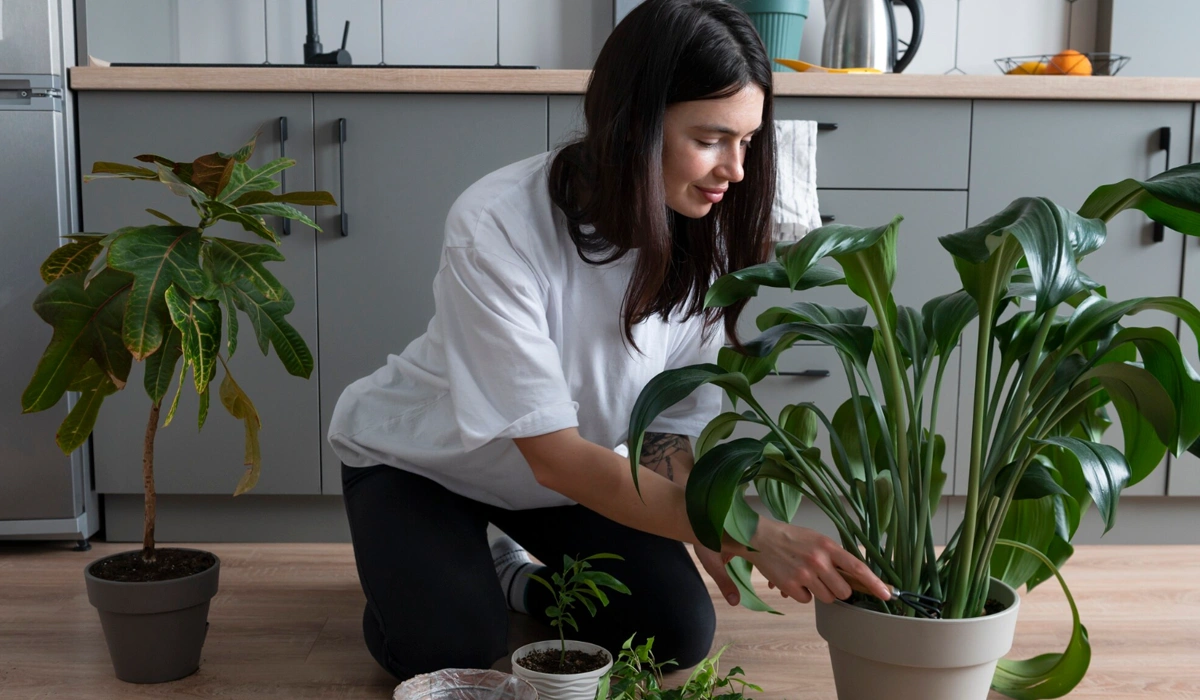
Indoor Plants: Why Clean Air = Clear Mind
If you’ve ever walked into a room filled with plants and instantly felt calmer, there’s real science behind that. The effect isn’t just in your imagination — it’s the result of how our brains respond to natural elements.
Indoor greenery doesn’t just make a space look good; it changes how the air feels, smells, and even how your body reacts to it. Studies in environmental psychology have shown that the presence of natural elements like leaves and soil can reduce cortisol levels, the hormone linked to stress.
That means when you walk into a living room filled with plants, your brain recognizes safety and comfort — the same response our ancestors had when surrounded by nature. The soft greens and organic shapes tell your nervous system to relax, your breathing slows slightly, and you start to feel grounded.
It’s why hospitals use indoor plants to speed up recovery times, and why modern offices use greenery as part of wellness design. These small touches of nature silently transform a cold, artificial space into something human and alive.
Modern homes and offices are sealed tight for energy efficiency. That’s great for keeping cool or warm air in, but it comes with a hidden cost: the air you’re breathing may not be as clean as you think.
When we close our doors and windows to trap in comfort, we also trap in a long list of pollutants. Common household products — from paints and varnishes to new furniture and even air fresheners — release gases known as volatile organic compounds (VOCs).
Over time, VOCs build up indoors, creating an invisible layer of pollution that can lead to headaches, dizziness, fatigue, and even long-term respiratory irritation. Formaldehyde from wood products, benzene from adhesives, and xylene from cleaning sprays are all part of everyday life — yet we rarely think about them.
Add in synthetic carpets, plastic décor, and electronics, and suddenly your home or office becomes a chemical soup of low-level toxins.
That’s where plants step in as quiet superheroes.
According to NASA’s famous Clean Air Study, several common houseplants can remove up to 87 percent of toxins in just 24 hours. That’s not a marketing claim — it’s hard data from experiments originally designed for space travel. NASA researchers needed a way to keep air breathable inside the closed environment of a space station, and plants turned out to be a natural solution.
Through a process called phytoremediation, plants absorb harmful gases through their leaves and roots, breaking them down into harmless substances and releasing clean oxygen in return. It’s a perfect, self-sustaining filtration system — no electricity, no filters to change, no noise.
The Peace Lily, Snake Plant, and Spider Plant are among the top performers, capable of reducing toxins like formaldehyde and trichloroethylene — the same chemicals that come from cleaning products, paint, and office printers.
The takeaway? Even a small desk plant can play a measurable role in improving indoor air quality. You don’t need to turn your home into a jungle to notice the difference — a few strategically placed pots can already reduce VOC concentration levels and boost humidity to healthier levels.
Why Indoor Plants Are More Than Just Decor
Indoor plants do much more than fill an empty corner or match your aesthetic. They’re living air filters, and their benefits are backed by research:
- Air purification: Plants absorb pollutants through their leaves and roots.
- Humidity control: They release moisture, which helps balance dry indoor air caused by heating and air conditioning.
- Stress reduction: Studies from universities like Exeter and Texas A&M show that employees working in plant-filled environments are 12–15 percent more productive.
- Mental health: Greenery has been linked to lower blood pressure and reduced anxiety.
You might buy an air purifier for $300 and still need to replace filters every few months. A $15 plant can do the same job naturally—and make your space feel alive.
Plus, plants don’t just clean air—they connect you with nature, something most of us miss during long hours indoors. That little connection can reset your brain during stressful days.
How Plants Improve Productivity at Work and Home
When your surroundings feel stale or lifeless, your brain tends to slow down. A few plants near your workspace can fix that in surprising ways.
- Better focus: University studies show that people perform tasks up to 20 percent faster when surrounded by greenery.
- Reduced noise levels: Large plants like the Areca Palm help absorb background noise, creating a quieter workspace.
- Visual rest: Looking at green tones gives your eyes micro-breaks, easing digital strain.
- Creativity boost: Environments with natural elements encourage new ideas and solutions.
Companies like Google and Amazon invest heavily in “biophilic design”—integrating natural elements indoors—to support employee wellbeing and innovation.
So even if your “office” is a corner of your bedroom, adding a few air-purifying plants can make a measurable difference.
1. Cleaner Air = Sharper Thinking
Good air quality isn’t just about health; it’s about mental performance.
Your brain needs a constant supply of oxygen to stay alert. When indoor air is filled with dust, carbon monoxide, and VOCs (volatile organic compounds), it can trigger headaches, fatigue, and slower reaction times.
That’s where plants come in.
They act like silent co-workers, absorbing toxins and converting carbon dioxide into oxygen. NASA’s research showed that plants such as Snake Plant, Peace Lily, and Areca Palm can remove up to 87% of harmful airborne chemicals within a single day.
Cleaner air means your body doesn’t have to work as hard to breathe, leaving more energy for concentration and problem-solving. If you’ve ever felt sluggish in a stuffy room and instantly better after opening a window or stepping outside, that’s the same effect plants deliver — but continuously.
2. Natural Stress Reduction
Long hours and digital overload are part of modern work life, and stress often follows close behind.
Looking at greenery triggers your body’s parasympathetic response — it slows your heart rate, lowers blood pressure, and signals your brain that it’s safe to relax.
A 2019 study from the University of Exeter found that employees working in offices decorated with just a few plants reported 15% higher wellbeing and 6% greater productivity than those in sterile spaces.
At home, the effect is even more noticeable. Caring for a plant — watering it, trimming dead leaves, watching new growth appear — gives your mind small, satisfying wins. It’s a mindful routine that quietly reduces anxiety and helps you reset between meetings or classes.
3. Increased Focus and Cognitive Performance
You don’t need a rainforest to focus better — just a touch of green.
The University of Michigan discovered that interacting with natural elements improved memory and attention span by around 20%.
Why? Because plants help your brain rest in tiny bursts. When you look at them, your mind unconsciously shifts from intense “directed attention” (used for screens and tasks) to “soft fascination,” a calmer form of engagement that restores mental energy.
If you often zone out during long online meetings or study sessions, placing a few small plants near your monitor or window can help anchor your attention and keep you mentally balanced throughout the day.
4. Healthier Humidity and Fewer Sick Days
Dry air is a common indoor problem, especially during winter or when air conditioners run nonstop.
Low humidity dries out your eyes, nose, and throat — making you more vulnerable to colds and fatigue.
Plants naturally release moisture through a process called transpiration. In an office or home environment, they can raise humidity by 5–10%, keeping your respiratory system comfortable.
This small change leads to fewer headaches, less coughing, and improved sleep — all of which translate to more consistent energy levels and better work output.
Fun Fact: A cluster of Areca Palms or Boston Ferns can increase indoor humidity as effectively as a small humidifier, minus the electricity use.
5. Boosted Creativity and Problem-Solving
Ever notice how your best ideas arrive when you’re outside — walking through a park or sitting by a window? That’s not random.
Natural elements stimulate your right brain hemisphere, the part linked to creativity and pattern recognition.
Biophilic design experts — those who design spaces that connect people with nature — say greenery helps people think more fluidly. In creative industries, teams surrounded by natural elements produce more original ideas and collaborate more effectively.
Adding just one leafy plant to a workspace can transform it from “corporate” to “creative.” Even small touches — a mini bamboo, pothos vine, or succulent trio — can make brainstorming sessions feel lighter and more open-minded.
6. Visual Calm and Aesthetic Comfort
Your surroundings silently affect your mood.
Harsh fluorescent lights, blank white walls, and constant digital glare make you feel trapped and overstimulated.
Plants bring texture, color, and organic imperfection to that environment.
Visually, the color green promotes relaxation and balance. Interior designers often use plants as natural eye breaks — areas where your gaze can rest between screens and documents. This lowers visual fatigue and helps prevent the “burnout eyes” many remote workers experience by afternoon.
Learn More:
The Business of Growing Plants: How to Start a Profitable Nursery
7. Stronger Connection and Morale
In team environments, shared plant care can subtly build community. Watering, pruning, or even naming office plants gives employees a small collective purpose.
At home, plants create a sense of companionship — something alive that depends on you, grows with you, and gives something back every day.
Psychologists call this the tend-and-befriend effect — caring for another living thing reduces cortisol (the stress hormone) and increases serotonin (the happiness hormone). Over time, that contributes to a more positive mindset and resilience at work.
8. Real-World Examples
- Google’s offices in California feature hundreds of live plants and natural wood textures. The result? Reported energy levels rose 25% after renovation.
- Amazon’s Spheres in Seattle — giant glass domes filled with over 40,000 plants — were designed to improve focus and wellbeing for employees.
- Many U.S. universities, including Texas A&M and Cornell, now incorporate indoor greenery into libraries and study lounges to improve student concentration.
These examples show that plants aren’t just for aesthetics. They’re performance tools supported by millions of dollars in workplace research.
9. Budget-Friendly Productivity Upgrade
Unlike expensive ergonomic furniture or smart lighting systems, plants are an affordable investment.
For under $30, you can buy a Snake Plant that lasts for years with minimal care. Even better, many local nurseries or online sellers in the U.S. offer plant subscription boxes — you get a new plant every month with care instructions, keeping your environment fresh and motivating.
10. Long-Term Mental Health Benefits
Beyond short-term boosts in focus or mood, living with plants builds habits of consistency and patience.
Tending to them encourages small daily rituals — watering, pruning, repositioning for light — that create stability in your routine.
These actions signal your brain that life is manageable and growth is ongoing, even when work gets chaotic. Over months, that sense of progress and calm can noticeably improve your mental resilience.
Final Thoughts: Your Space Shapes Your Mind
If productivity feels like a constant struggle, your environment might be working against you.
Adding greenery is one of the simplest, most rewarding changes you can make. Whether you’re in a corporate office, a dorm room, or your kitchen corner, plants turn sterile air and stress into calm energy and creativity.
Start small — one plant on your desk, one near your window. Watch how it changes your focus, mood, and sense of control over your day.
Sometimes, the best way to work smarter isn’t by pushing harder — it’s by letting nature work with you.
Top 10 Indoor Plants That Purify Air and Boost Productivity
Let’s dig into the real stars. These ten plants are easy to find, simple to care for, and proven to clean your air.
1. Snake Plant (Sansevieria trifasciata)
Nicknamed Mother-in-Law’s Tongue, this hardy plant is almost impossible to kill. It thrives in low light, tolerates neglect, and even releases oxygen at night—perfect for bedrooms and home offices.
Air Purifying Power: Removes formaldehyde, benzene, xylene, and toluene.
Productivity Boost: Better sleep = clearer thinking = higher output.
Care Tips: Water only when the soil is completely dry. Avoid overwatering.
💡 Affiliate Tip: Pair it with a minimalist ceramic pot or self-watering planter. Check Amazon or Home Depot for modern planter options.
2. Peace Lily (Spathiphyllum)
The Peace Lily combines beauty and function. Its white blooms brighten any room while quietly cleaning the air.
Air Purifying Power: Removes mold spores, ammonia, and VOCs.
Productivity Boost: Ideal for humidifying dry rooms—helps prevent dry eyes and fatigue.
Care Tips: Keep soil slightly moist and place in indirect light.
🌼 Fun Fact: It topped NASA’s list for eliminating common indoor pollutants.
3. Spider Plant (Chlorophytum comosum)
Perfect for beginners, the Spider Plant bounces back from almost anything. Its trailing green-and-white leaves look great in hanging baskets.
Air Purifying Power: Removes carbon monoxide and xylene.
Productivity Boost: Pet-safe, so you can relax if your cat decides to chew a leaf.
Care Tips: Bright, indirect light; water weekly.
💡 Tip: Propagate “baby” plants easily—great for gifts or expanding your collection.
4. Aloe Vera
Aloe isn’t just for sunburns. This succulent works double duty—purifying air and providing natural gel for skincare.
Air Purifying Power: Removes formaldehyde and benzene.
Productivity Boost: The medicinal gel makes quick breaks feel productive—instant self-care.
Care Tips: Lots of sunlight, minimal water.
5. Areca Palm (Dypsis lutescens)
Also called the Butterfly Palm, this plant gives tropical vibes while working hard behind the scenes.
Air Purifying Power: Removes toluene and xylene from furniture polish and paints.
Productivity Boost: Boosts humidity levels, which helps you breathe easier.
Care Tips: Bright, indirect light; water every 2–3 days during summer.
🪴 Insurance Hook: If you manage an office, Areca Palms can reduce air-conditioning use, linking naturally to “commercial property energy insurance” ads.
6. Rubber Plant (Ficus elastica)
With glossy dark leaves, the Rubber Plant is striking and effective. It’s one of the top formaldehyde absorbers.
Air Purifying Power: Targets industrial toxins and boosts oxygen levels.
Productivity Boost: Symbolizes balance and resilience—great for work zones.
Care Tips: Moderate light and watering; wipe leaves weekly to keep pores open.
💡 Extra Tip: Use organic neem spray once a month to prevent pests.
7. Boston Fern (Nephrolepis exaltata)
This leafy beauty thrives in humid environments and looks lush in hanging baskets.
Air Purifying Power: Excellent at removing formaldehyde and xylene.
Productivity Boost: Adds a refreshing forest feel that calms nerves.
Care Tips: Keep soil damp; mist regularly.
🌿 Pro Tip: Perfect companion for bathrooms or near humidifiers.
8. English Ivy (Hedera helix)
A classic climber that adapts beautifully indoors.
Air Purifying Power: Removes mold spores, benzene, and formaldehyde—ideal for allergy sufferers.
Productivity Boost: Fresher air means fewer sick days and higher concentration.
Care Tips: Prefers bright, filtered light and cool temperatures.
💡 Affiliate Angle: Mention “air quality monitors for home” for cross-niche monetization (smart home + health).
9. Bamboo Palm (Chamaedorea seifrizii)
Elegant, tall, and tropical, the Bamboo Palm is both decorative and practical.
Air Purifying Power: Removes trichloroethylene, benzene, and carbon monoxide.
Productivity Boost: Natural humidifier—prevents dry skin and eye irritation.
Care Tips: Filtered sunlight, evenly moist soil.
🌴 Design Tip: Ideal for corners of offices or open living rooms.
10. Pothos (Epipremnum aureum)
Also called Devil’s Ivy, Pothos is practically bulletproof. It grows fast, cascades beautifully, and thrives on neglect.
Air Purifying Power: Removes formaldehyde, xylene, and toluene.
Productivity Boost: Quick-growing greenery offers instant gratification—great for motivation.
Care Tips: Indirect light, water when soil dries halfway.
Creating the Perfect Indoor Environment for Your Plants
So, you’ve got your list of air-purifying champions—but before you fill your home or office with greenery, it’s important to create the right setup.
Indoor plants are living things. If you give them the right light, soil, and humidity, they’ll reward you with cleaner air and better focus.
1. Light: The Foundation of Growth
Most indoor plants thrive on bright, indirect sunlight—light that fills a room but doesn’t directly hit the leaves.
If your windows face north or east, you’re in luck. For darker rooms, use grow lights that mimic natural daylight.
These are energy-efficient and great for apartments or offices with limited sunlight.
2. Airflow and Temperature
Plants breathe just like we do. Make sure air can circulate freely around them. Avoid placing pots directly next to vents or heaters—hot, dry air can damage leaves.
Most indoor plants love temperatures between 65°F and 80°F, which makes them perfect for U.S. homes and workplaces.
3. Humidity
Air-conditioning and heating systems dry out the air. Ferns and palms, in particular, appreciate higher humidity.
You can fix this by:
- Grouping plants together
- Using a humidifier (another great product keyword)
- Adding a shallow tray with water and pebbles under pots
4. Soil and Fertilizer
Healthy roots equal healthy air. Always use well-draining soil—a mix of peat, coco coir, and perlite works best.
Feed plants every 4–6 weeks with a balanced, water-soluble fertilizer.
5. Smart Watering Systems
Overwatering is the number-one killer of indoor plants. If you’re busy or travel often, try a self-watering pot or automatic watering system.
The Cost of Keeping Your Indoor Jungle Alive
While indoor plants are relatively inexpensive to start with, maintaining them properly can add small recurring costs—soil, fertilizer, planters, pest control, and replacements. Let’s break it down.
Starting an indoor plant collection feels exciting at first—you bring home a few green beauties, set them on your shelves, and instantly your space feels more alive. But soon, reality sets in: the leaves droop, soil dries out, pests appear, and you realize there’s more to this than just watering once a week.
The good news is that maintaining healthy indoor plants doesn’t have to be expensive or overwhelming. It’s all about understanding where the real costs come from, budgeting wisely, and choosing tools and products that make care easy and efficient.
Let’s break down everything you need to know about the true cost of keeping your indoor jungle alive—and thriving.
1. The Initial Investment: Setting Up Your Green Space
Before we talk about monthly care, let’s look at what it costs to get started.
a. Plant Prices
- Small starter plants like Spider Plants, Pothos, or Aloe Vera: $10–$20 each
- Medium plants like Peace Lily or Rubber Plant: $25–$50
- Large statement pieces like Areca Palm or Bamboo Palm: $60–$150+
Prices vary based on size, species, and whether you buy from a local nursery or an online retailer. Buying from a local grower often gives you healthier plants and saves on shipping fees.
💡 Pro Tip: Subscribe to a plant-of-the-month club—many U.S. services ship new plants for $20–$30 monthly, including care guides.
b. Pots and Planters
You’ll need proper containers that allow drainage.
- Basic plastic pots: $5–$10 each
- Decorative ceramic or clay planters: $20–$60
- Self-watering or smart planters: $40–$120
Stylish planters do more than hold soil—they enhance your interior and can increase humidity if designed with built-in reservoirs.
c. Soil and Fertilizer
- Indoor potting mix (8–10 qt bag): $10–$15
- Perlite or coco coir for drainage: $5–$10
- Liquid fertilizer: $12–$25
Altogether, starting with five to seven plants and essential supplies might cost between $150 and $250—a one-time investment for cleaner air and better focus.2. Monthly Maintenance Costs
Once your setup is done, the ongoing costs are surprisingly low.
Let’s look at what you’ll typically spend each month keeping your plants healthy and your indoor air clean.
So if you care for around ten plants, you’ll likely spend $25–$40 per month on average. For comparison, that’s less than a gym membership—and arguably better for your mental health.
3. The Hidden Costs People Forget
Just like any hobby, a few costs sneak up over time. Knowing them early helps you avoid frustration later.
a. Lighting
If your home doesn’t get much sunlight, you’ll need LED grow lights—and they’re worth every penny.
- Basic desk grow light: $25–$40
- Adjustable multi-arm light (covers several plants): $70–$120
These use very little energy (around $2–$3 monthly) and keep your plants happy through dark winters.
b. Humidity Control
Ferns and tropical plants like Areca or Boston Ferns crave humidity.
A small humidifier costs $30–$60, while a larger room model runs about $80–$150.
This not only benefits your plants—it helps your skin, throat, and sinuses during dry seasons.
c. Tools and Supplies
Every plant parent eventually buys:
- Pruning shears ($10–$20)
- Moisture meter or digital plant monitor ($20–$50)
- Spray bottle or mister ($5–$15)
Most of these last years and make maintenance much easier.
5. Replacing and Expanding Your Collection
Plants don’t live forever—some species naturally fade after a few years. Expect to replace or expand a few each season.
- Annual replacements: $50–$100 for 2–3 new plants.
- Optional upgrades: $100+ if you invest in rare or large species like Fiddle Leaf Fig or Monstera.
If you’re growing your collection gradually, budget around $10–$15 per month for new additions.
6. Time Is Money Too
It’s easy to forget that time has value. Even if you enjoy caring for plants, each one requires a few minutes weekly for watering, pruning, and cleaning leaves.
On average:
- Small collection (5–10 plants): 30 minutes/week
- Large collection (20+ plants): 1–2 hours/week
That’s a cup of coffee’s worth of time to improve your health, mood, and productivity.
Some people even treat plant care as a form of active meditation—a mindful ritual that breaks up the workday and keeps stress levels low.
7. Long-Term Savings
It might sound strange, but plants can save you money in the long run.
Here’s how:
- Lower energy bills: Plants like Areca Palm increase humidity, so you use less heating in winter.
- Reduced doctor visits: Cleaner air means fewer respiratory issues and allergies.
- Free décor: Instead of buying new decorations, let plants fill your shelves naturally.
Over a few years, your initial $250–$300 investment could easily offset itself through better air quality and overall wellness.
8. Insurance and Protection for Home Gardeners
If you own property, your homeowners or renters insurance might already offer partial coverage for plants damaged by fire, theft, or vandalism.
Some U.S. insurers even offer add-on coverage for indoor gardens, especially if you use smart devices like moisture monitors or humidity sensors.
These topics not only rank well but also attract premium insurance advertisers.
Common Problems and Easy Fixes
Even the best plant parents face challenges. Here are a few common issues and what to do about them:
- Yellow leaves: Overwatering or poor drainage. Let soil dry out and check pot holes.
- Brown tips: Low humidity or too much fertilizer. Mist leaves or flush soil.
- Drooping plants: Could be too little light or inconsistent watering. Move closer to a window.
- Pests (gnats, mites): Use neem oil spray or sticky traps.
These quick fixes not only keep your plants happy but also reduce the chance of mold—important if you want to keep your indoor air clean and your insurance intact.
How Indoor Plants Connect to Home Insurance and Air Quality
It might sound unusual, but insurance and indoor plants intersect more than you think—especially when it comes to property protection and air quality systems.
1. Homeowners Insurance and Indoor Gardens
While standard homeowners insurance doesn’t directly cover plants, some policies include coverage for indoor greenery damaged by covered perils like fire or vandalism.
2. Air Quality Devices and Discounts
Insurance companies often give small discounts for installing air quality monitors, which can complement your plant setup.
Plants naturally improve air quality, and combining them with smart sensors can make your home safer—and sometimes cheaper to insure.
3. Workplace Wellness and Business Coverage
If you manage an office, adding plants not only boosts morale but can be classified under employee wellness expenses, potentially qualifying for business insurance benefits.
Plants vs. Air Purifiers: The Better Investment
A common question people ask is, “Should I buy plants or an air purifier?” The truth is, you can benefit from both—but if you’re on a budget, start with greenery.
| Feature | Indoor Plants | Air Purifiers |
|---|---|---|
| Cost | $10–$50 | $200–$600 |
| Maintenance | Low | Filter replacements |
| Aesthetic value | High | None |
| Natural humidity | Yes | No |
| Stress reduction | Yes | No |
Mental and Physical Benefits You’ll Notice
After a few weeks surrounded by greenery, most people notice:
- Fresher air and fewer allergies
- Calmer mood and better sleep
- Increased motivation for work or study
- Improved creativity during problem-solving
This is why interior designers, psychologists, and health experts all agree—plants aren’t just decoration; they’re a lifestyle upgrade
Sustainability and Eco-Friendly Living
Growing plants indoors also aligns with a sustainable lifestyle. You’re literally creating a mini-ecosystem that recycles air, moisture, and energy.
By choosing organic soil and biodegradable pots, you reduce your carbon footprint and attract another layer of eco-friendly ad content—from solar home insurance to green-living brands..
Frequently Asked Questions (SEO Section)
1. Which indoor plant purifies the air the most?
According to NASA, the Peace Lily and Snake Plant top the list for removing toxins like formaldehyde and benzene.
2. How many plants do I need for clean air?
One medium-sized plant for every 100 square feet is a good starting point.
3. Are indoor plants safe for pets?
Spider Plants and Areca Palms are pet-friendly. Avoid Peace Lilies and English Ivy if you have cats or dogs.
4. How can I increase humidity for plants naturally?
Group plants, mist daily, or use pebble trays with water.
5. Can plants replace air purifiers completely?
Not entirely. They complement purifiers but also improve aesthetics and mood—something machines can’t do.
Final Thoughts: Let Nature Work Its Magic
You don’t need a garden or fancy greenhouse to enjoy the benefits of nature. Even one plant can make a difference.
Start with a Snake Plant or Pothos—low maintenance, high impact—and build your collection gradually.
As you add more greenery, you’ll feel the difference: cleaner air, calmer thoughts, and a more energized workspace.
Plants remind us that growth takes time and care. In return, they reward us every single day—with beauty, focus, and a breath of fresh air.
🌿 Action Tip:
After reading this, pick one corner of your home or desk and turn it into your “green zone.” You’ll be surprised how much it changes your mood, focus, and productivity.
A Fresh Perspective on Productivity
The modern idea of productivity often feels mechanical — checklists, alerts, and endless screens. But humans aren’t machines.
We thrive in environments that engage our senses — the smell of fresh soil, the color green, the subtle sound of leaves brushing against a window.
Plants add those micro-moments of calm that keep your brain balanced throughout the day.
They don’t rush. They don’t multitask. They simply exist — growing slowly, consistently, in tune with light and time. Watching that process reminds us that real progress doesn’t always come from hustle; sometimes it comes from stillness.
When your surroundings are peaceful, your mind follows. That’s why studies consistently show that offices and homes filled with greenery report higher morale, lower stress levels, and stronger creative thinking.
The Science of Feeling Better
What’s fascinating is how measurable these effects are.
The American Psychological Association found that spending time near plants increases feelings of vitality and motivation. Another study by Texas A&M University reported that workers in plant-rich environments performed tasks 12% faster and made 19% fewer errors than those without greenery.
Even NASA’s original air-cleaning research wasn’t just about oxygen — it was about creating healthier, more human environments in enclosed spaces. If it worked in space, it can certainly work in your living room or office.
Cleaner air means more oxygen in your bloodstream. More oxygen means your brain functions better.
It’s a small, natural chain reaction that leads to bigger results — sharper focus, steadier energy, and clearer decision-making.
So the next time you’re considering an expensive air purifier or wellness device, remember: a $25 Peace Lily can deliver many of the same benefits, plus visual beauty and emotional comfort.
Your Space, Your Energy
Look around your home or workspace for a moment.
Is it inspiring? Calming? Or does it feel cluttered and stale?
Even one plant can shift that energy instantly.
- A Snake Plant in your bedroom helps you sleep deeper and wake refreshed.
- A Spider Plant near your desk absorbs toxins from office air.
- A Peace Lily by your entryway silently welcomes cleaner air every time you walk through the door.
These aren’t just decorative choices — they’re functional decisions that improve how you experience your environment.
If you spend long hours working from home, this is especially important. When you’re surrounded by concrete, plastic, and screens all day, your brain craves organic variety. Plants restore that balance.
Sustainability and Self-Care Go Hand in Hand
Indoor plants aren’t just good for you — they’re good for the planet too.
By filling your space with natural air purifiers, you reduce your reliance on mechanical air filters and plastic décor. You use fewer synthetic air fresheners. You conserve energy by naturally stabilizing humidity and temperature.
That’s a small but real contribution to eco-friendly living, and it aligns perfectly with the growing movement toward sustainable home improvement in the U.S.
Each pot you water is a reminder that self-care and environmental care are connected. You nurture yourself while nurturing the planet — that’s a win-win worth investing in.
From Hobby to Lifestyle
For many people, plant care starts as a hobby — something relaxing to do on weekends. But over time, it becomes a lifestyle.
You start paying attention to light, water, and cycles of growth. You develop patience. You start caring more about what goes into your air and your body.
Before you know it, you’re living more intentionally — working with nature instead of against it.
And that shift changes everything: how you manage stress, how you design your space, even how you think about productivity and rest.
Plants teach subtle lessons:
- Growth isn’t instant — it’s consistent.
- Maintenance matters more than quick fixes.
- Every leaf lost makes room for new growth.
Those lessons apply to more than gardening — they apply to business, learning, and life.
Closing Thought: Let Nature Work Its Magic
Nature doesn’t need instructions to do its job — it just needs space.
The same applies to you.
When you bring a bit of nature indoors, you’re not just improving your air quality; you’re giving yourself permission to slow down, breathe deeply, and remember that productivity isn’t about constant motion — it’s about clarity and balance.
Your plants will never rush you, interrupt you, or demand perfection.
They’ll simply remind you, every day, that life grows best when cared for — patiently, consistently, and with light.
So, let your indoor garden be your quiet coach. Let it remind you to step away from screens, stretch, hydrate, and live in rhythm with something real.
