
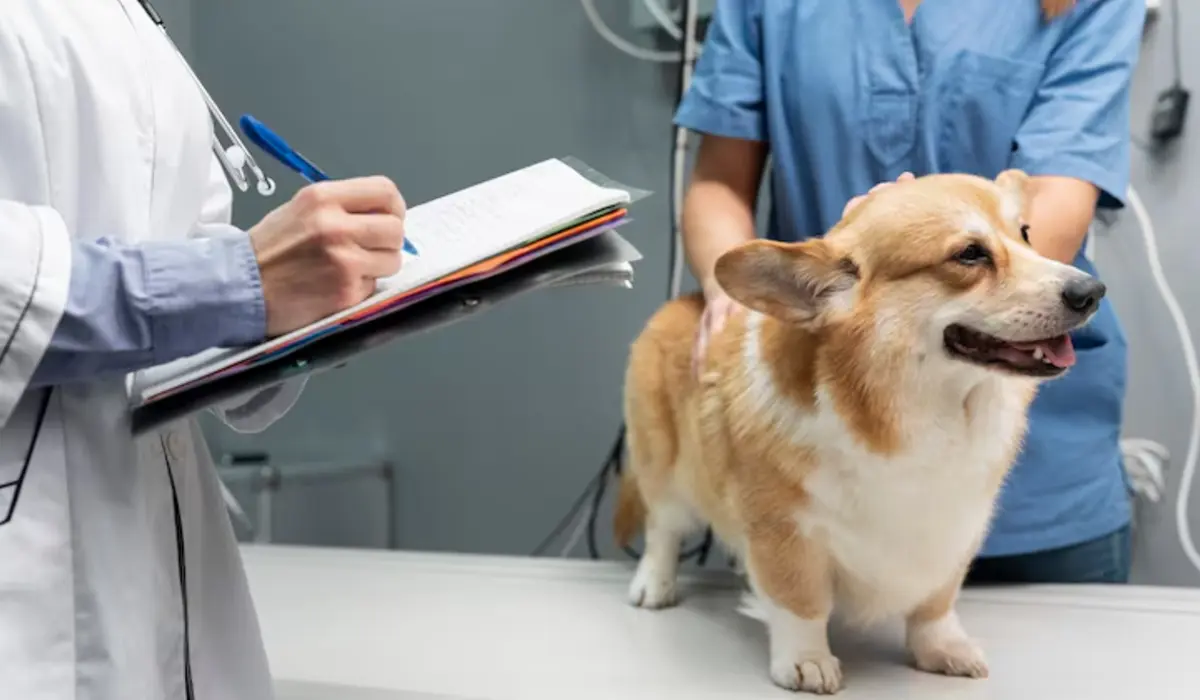
Why Pet Health Insurance Has Become Essential
If you’ve ever had to rush a pet to the emergency clinic, you already know how fast costs add up. A simple X-ray can run a few hundred dollars; an overnight stay or surgery can easily climb into the thousands.
Veterinary medicine in 2025 looks a lot like human health care did a decade ago—more advanced diagnostics, more treatment options, and higher prices to match. Modern vets now use CT scans, laser surgery, stem-cell therapy, and even oncology care for pets. It’s incredible progress, but it means many families are one accident away from a financial shock.
That’s where pet health insurance steps in. It’s not a luxury anymore; it’s a financial safety net. The North American Pet Health Insurance Association (NAPHIA) reported that policy enrollment in the U.S. surpassed 5 million pets in 2024, and the number keeps climbing as awareness spreads.
People once hesitated to insure pets because vet bills seemed manageable. But the economics have changed. Inflation, advanced medicine, and longer pet lifespans have all raised lifetime care costs. On average, American households now spend more than $1,500 per year on veterinary services for dogs and around $900 for cats—and that’s without emergencies.
When you add unexpected surgeries or chronic diseases like diabetes, arthritis, or cancer, total lifetime costs can exceed $20,000–$30,000. Insurance doesn’t eliminate those expenses, but it spreads them out and protects you from the worst surprises.
What Pet Insurance Actually Is
Pet health insurance works a lot like human insurance—but simpler.
You pay a monthly or annual premium, and the insurer agrees to reimburse you for eligible veterinary expenses.
The difference is that you usually pay the vet first, then file a claim. Once approved, the company sends you reimbursement—by direct deposit or check—based on your plan’s percentage.
Think of it less like pre-paid wellness coverage and more like catastrophic protection for big, unexpected events. Wellness and preventive visits are optional add-ons. The core purpose is to protect you from major financial hits if your pet gets sick or injured.
Key Concepts You’ll Hear Everywhere
Premium
Your regular payment—monthly or yearly—that keeps the policy active.
Premiums depend on your pet’s species, breed, age, and where you live. Younger pets and mixed breeds tend to cost less to insure.
Deductible
This is the amount you must pay out of pocket before the insurer begins reimbursing claims.
Some companies offer annual deductibles; others use per-incident ones.
- Annual deductible example: You pay the first $250 each year, then coverage kicks in.
- Per-incident deductible example: You pay $250 each time your pet develops a new condition.
Higher deductibles lower your premiums; lower deductibles raise them.
Reimbursement Rate
Once your deductible is met, the insurer reimburses a set percentage of the covered cost—often 70%, 80%, or 90%.
Example: If your vet bill is $1,200, your deductible is $250, and your reimbursement rate is 80%, you’d receive $760 back:
$1,200 – $250 = $950 × 0.8 = $760.
Annual or Lifetime Limits
Some policies cap how much they’ll pay in a year or over your pet’s lifetime. Others offer “unlimited” options at a higher price. Always check those numbers—they matter when major illness strikes.
Waiting Periods
Every new policy includes waiting periods—usually 2 days for accidents and 14–30 days for illnesses. During this time, claims aren’t eligible for reimbursement.
They exist to prevent people from buying insurance after a diagnosis and immediately filing a claim.
Different Types of Plans
Pet insurance isn’t one-size-fits-all. Most providers offer three main categories, plus optional add-ons.
1. Accident-Only Plans
The most basic and affordable type. They cover injuries like fractures, cuts, and poisoning but not illnesses.
Best for: Young, healthy pets or owners who just want emergency protection.
2. Accident & Illness Plans
The most common option. Covers accidents plus diseases, infections, cancer, allergies, and hereditary conditions (if not pre-existing).
Best for: Most pet owners seeking broad coverage.
3. Comprehensive Plans with Wellness Add-Ons
Include accident + illness coverage and preventive care such as vaccines, checkups, dental cleanings, and flea/tick prevention.
Best for: Those who prefer predictable monthly costs and frequent vet visits.
Each insurer structures these categories differently. Some let you build custom coverage—selecting deductible, reimbursement, and annual limit separately to match your budget.
What’s Usually Covered
Most standard accident & illness policies reimburse:
- Emergency care and surgery
- Hospitalization and specialist consults
- Diagnostics (X-rays, ultrasounds, lab work, CT scans)
- Prescription medications and therapeutic diet foods
- Hereditary and chronic conditions (after waiting periods)
- Cancer treatments including chemotherapy and radiation
Some newer policies now include tele-vet consultations or 24/7 helplines—something that became popular after 2020 and continues to expand in 2025.
What’s Typically Excluded
Even the best policies have boundaries. Expect these exclusions unless you purchase add-ons:
- Pre-existing conditions diagnosed or showing symptoms before enrollment
- Routine care: vaccinations, spay/neuter, teeth cleaning
- Breeding and pregnancy expenses
- Cosmetic or elective procedures (ear cropping, declawing)
- Behavioral training fees
- Experimental treatments not approved by veterinary boards
Also, watch for breed-specific restrictions—some insurers limit coverage for genetic conditions common in purebreds like bulldogs or shepherds.
Real-World Example
Let’s say your 5-year-old Golden Retriever develops hip dysplasia.
The surgery and rehab could reach $4,500.
With an 80% reimbursement plan, $500 deductible, and $10,000 annual limit:
- You pay $500 deductible + 20% of the remaining cost ($800) = $1,300 total.
- Insurance pays $3,200.
That’s the difference between a tough choice and immediate treatment. It also shows how selecting the right plan level affects real savings.
Why 2025 Looks Different
Pet insurance is evolving quickly. Here’s what’s new this year:
- Greater Transparency Laws
Several U.S. states—including California—now require insurers to disclose clearly how reimbursements, deductibles, and waiting periods work before you sign up. This makes shopping for plans more straightforward. - AI and Data Analytics
Insurers are using data to customize pricing based on breed and risk profiles. It feels more personalized and fairer than flat rate models used a few years ago. - Integration with Vet Clinics
Many clinics now submit claims directly to insurers through digital platforms, reducing paperwork and waiting times. Some companies even offer instant reimbursement at checkout. - Multi-Pet Discounts and Bundles
As pet ownership rises, providers offer better rates for households insuring multiple animals under one policy. - Focus on Wellness and Preventive Care
Policies increasingly reward owners for keeping pets healthy—covering annual checkups, vaccines, and dental care to avoid costly treatments later.
Understanding the Fine Print
Before you commit to any plan, read the policy like you would a legal contract—because it is one.
Pay special attention to:
- Definitions of terms like “pre-existing condition” and “chronic condition.”
- Exclusions that apply by breed or age.
- Claim procedures and documentation requirements.
- Renewal rules—some insurers can reprice annually as your pet ages.
A few minutes with the details can save huge frustrations later.
Also Read:
The Business of Growing Plants: How to Start a Profitable Nursery
Who Benefits the Most from Pet Insurance
While any pet owner can benefit, it’s especially valuable if:
- You own a breed prone to genetic issues (Golden Retrievers, French Bulldogs, Persian Cats).
- You live in a city with high vet rates.
- You prefer predictable monthly expenses over risk of large bills.
- You view your pet as family and want access to advanced care without financial stress.
Many owners start policies when pets are young because premiums are lowest and coverage is broadest before any diagnoses occur.
Summary of Part 1
Pet health insurance has matured from a niche product to a mainstream necessity.
It transforms unpredictable, potentially devastating costs into manageable payments, giving pet owners peace of mind and greater access to medical advances.
Understanding how policies work—the premiums, deductibles, reimbursements, and exclusions—is the first step toward making smart choices in 2025’s growing market.
Understanding What Determines the Cost
Every pet insurance quote is personal. Two neighbors with the same breed might pay completely different premiums, and both could be fair. That’s because insurers look at a combination of risk factors to estimate how likely your pet is to need care and how expensive that care might be.
1. Species
Dogs generally cost more to insure than cats because they visit vets more often and are prone to a wider range of injuries. Exotic pets—birds, reptiles, rabbits—fall into specialty plans that use different pricing models.
2. Breed
Breed has the biggest impact.
- Bulldogs, pugs, and boxers often have respiratory or joint issues.
- Large dogs (like German shepherds or golden retrievers) are predisposed to hip dysplasia and arthritis.
- Mixed-breed animals usually cost less because they have fewer inherited conditions.
3. Age
Younger pets are cheaper to insure. Premiums rise as pets age and health risks increase. Once a pet reaches 10 or 12 years old, new enrollment may be limited to accident-only coverage.
4. Location
Vet prices vary widely by region. A vet visit in New York City can cost twice as much as in a small Midwestern town. Insurers price accordingly.
5. Coverage Level
Higher reimbursement percentages and lower deductibles mean higher monthly costs. The key is balance—choosing a plan that fits your comfort level with out-of-pocket expenses.
6. Inflation and Medical Advances
The same market forces that affect human health care affect pet insurance. As technology improves—MRI scans, genetic testing, laser therapy—treatment costs rise, and premiums follow.
Average Monthly Premiums in 2025
| Pet Type / Coverage | Average Monthly Premium (U.S.) | Typical Deductible Range |
|---|---|---|
| Dog – Accident Only | $20 – $30 | $100 – $250 |
| Dog – Accident + Illness | $45 – $75 | $200 – $500 |
| Cat – Accident Only | $10 – $20 | $100 – $250 |
| Cat – Accident + Illness | $25 – $45 | $200 – $500 |
These figures represent mid-range plans with 80 % reimbursement and $10 000 annual limits. Comprehensive wellness add-ons can raise costs 10 – 20 %, while high deductibles can reduce them.
How to Compare Plans and Providers
With dozens of insurers in the U.S. market—Healthy Paws, Trupanion, Embrace, Figo, Spot, ASPCA, Lemonade—it’s easy to feel overwhelmed. The best way to compare plans is to evaluate them in five categories.
1. Coverage Breadth
Look beyond buzzwords. Does the plan cover chronic and hereditary conditions? How about dental illness, prescription diets, or alternative therapies like acupuncture or physical therapy?
Some plans limit coverage to “new” conditions each policy year; others treat chronic issues as continuous, saving you money long-term.
2. Flexibility
Check whether you can:
- Choose your own licensed veterinarian (most allow it).
- Change deductibles or reimbursement rates after enrollment.
- Add or remove wellness options mid-year.
Flexibility matters when your pet ages or your finances change.
3. Customer Service and Claim Handling
Read recent reviews—especially about reimbursement speed. A good insurer processes claims in days, not weeks.
Many now offer mobile apps where you upload an invoice, snap a photo of the receipt, and receive direct deposit within 48 hours.
4. Reputation and Financial Stability
Established companies are less likely to change terms suddenly. Look for long-term track records, transparent policies, and accessible customer support.
Third-party ratings (A.M. Best, BBB) indicate financial strength—the ability to pay claims reliably.
5. Price-to-Value Ratio
Don’t pick the cheapest plan; pick the one that delivers value over time.
A $30 plan that excludes common conditions can cost more in the end than a $50 plan that covers everything you’ll likely need.
Evaluating Policy Documents Step by Step
- Start with the Summary Page. It lists deductible, reimbursement %, annual limit, and waiting periods.
- Read the Exclusions. Anything not mentioned as “covered” is assumed to be excluded.
- Check Renewal Terms. Does the insurer re-evaluate your pet’s health each year, or do they guarantee continuous coverage?
- Understand the Claim Process. Know whether they pay you or the vet directly.
- Ask for a Sample Policy. Reputable companies provide it upfront.
Taking 30 minutes to read these details prevents misunderstandings when you actually need to file a claim.
How to File a Claim (and Get Reimbursed Fast)
Although each company’s process differs slightly, the basic workflow is consistent:
- Visit Your Vet. Pay the bill as usual and request an itemized invoice with diagnosis codes.
- Submit a Claim. Use your insurer’s app or website; upload the invoice and any medical notes.
- Claim Review. An adjuster confirms the treatment was covered and checks your deductible.
- Reimbursement. Funds are sent by direct deposit or check, typically within 5–10 business days.
Pro tip: File claims promptly. Some insurers set deadlines—often 90 days after treatment—to be eligible for reimbursement.
Direct Pay vs. Reimbursement Models
Traditionally, owners pay vets first, then await reimbursement. But in 2025, more insurers are piloting direct-pay systems, similar to human health cards.
In these, the clinic bills the insurer electronically, and you pay only your deductible or co-pay at checkout. It’s faster, reduces paperwork, and helps clinics manage cash flow.
Availability varies, so confirm whether your local vet participates before choosing a policy.
Example: How a Claim Works in Practice
Meet Bailey, a four-year-old Labrador. One night she eats something sharp, requiring emergency surgery costing $3 800.
Bailey’s plan: $500 deductible, 80 % reimbursement, $15 000 annual limit.
- You pay the vet $3 800.
- Deductible = $500 (you pay this first).
- Remaining balance = $3 300 × 0.8 = $2 640 reimbursed.
- Your total out-of-pocket = $1 160.
Without insurance, that one accident could erase a month’s rent.
Understanding Deductibles and Co-Pays
Adjusting these numbers changes your monthly cost dramatically.
| Deductible | Reimbursement Rate | Approx. Monthly Premium (Dog) | What You Pay on a $2 000 Bill |
|---|---|---|---|
| $250 | 90 % | $70 | $425 |
| $500 | 80 % | $55 | $700 |
| $1 000 | 70 % | $40 | $1 200 |
Pick a combo that balances monthly affordability and emergency readiness.
Why Some People Skip Pet Insurance—and Why That Can Backfire
A common misconception is that setting aside savings beats paying premiums. While savings accounts are great, they rarely keep up with emergency costs.
If your pet needs $5 000 surgery next month, a $1 000 emergency fund won’t stretch far. Insurance spreads risk across thousands of policyholders, ensuring funds are available when disasters strike.
In short: savings handle minor vet visits; insurance handles the big stuff.
Hidden Factors That Influence Cost
- Annual Policy Adjustments – Premiums often rise 5–10 % each renewal as pets age.
- Breed Popularity Trends – When a breed becomes trendy (like French bulldogs), insurers may adjust rates based on industry loss data.
- Claims History – While most insurers don’t penalize for filing, chronic conditions can affect renewal terms.
- Optional Riders – Dental, wellness, and behavior coverage each add a few dollars monthly.
Reading the Fine Print: What to Double-Check
- Pre-Existing Definitions: Some companies define “pre-existing” as any symptom noted before policy start; others require a formal diagnosis.
- Coverage for Chronic Conditions: Ensure they carry over each renewal year.
- Alternative Therapies: Ask if rehab, chiropractic, or acupuncture are included.
- Prescription Food: Covered only when medically necessary for specific diagnoses.
- Dental: Separate plans may cover cleanings or tooth extractions.
Being thorough now saves headaches later.
Real-World Scenarios
Scenario 1: Emergency Surgery
Lucy, a five-year-old beagle, tears her cruciate ligament (CCL).
Total cost: $4 200.
Her $500 deductible and 80 % reimbursement reduce her out-of-pocket to about $1 340.
Scenario 2: Chronic Condition
Milo, a cat, develops diabetes. Monthly insulin and vet checks total $180. Over a year, $2 160.
Insurance covers 80 % after deductible → owner pays roughly $550 per year instead of $2 160.
Scenario 3: Wellness Add-On
A comprehensive plan costing $20 extra per month covers vaccines and annual exam ($250 value). Total savings ≈ $10 per year, plus convenience of spreading costs.
Tips for Choosing the Right Plan
- Start Early – Enroll when your pet is young and healthy. Pre-existing conditions never become eligible later.
- Compare Quotes – Most insurers offer instant online estimates—get at least three.
- Decide Your Risk Tolerance – Higher deductibles lower premiums but increase out-of-pocket cost during emergencies.
- Look for Unlimited Lifetime Coverage if you want long-term security for chronic issues.
- Ask Your Vet – Veterinarians see real-world results and can suggest reliable companies.
- Revisit Annually – Pets age fast; update your plan or deductible to match current health and budget.
Common Mistakes to Avoid
- Waiting until your pet is sick to buy coverage.
- Choosing a plan solely by price without checking exclusions.
- Ignoring the fine print on orthopedic conditions (often 12-month waiting periods).
- Canceling after one quiet year—future issues will then count as pre-existing.
- Forgetting to submit claims promptly.
Think of insurance as a long-term relationship between you, your pet, and your insurer—not a one-off purchase.
The Human Side: Peace of Mind and Choice
Beyond numbers, pet insurance offers something hard to measure: peace of mind.
When a vet presents a treatment plan, you’re free to decide based on what’s best for your pet, not what’s cheapest that day.
Many owners describe feeling relieved to say “yes” to care without pausing to calculate credit limits. That freedom alone is often worth the premium.
Emerging Trends in Pricing and Technology
- Dynamic Pricing Models: Companies use AI to analyze data and adjust premiums more accurately.
- Predictive Health Monitoring: Wearable pet trackers send data to insurers to reward healthy behavior.
- Tele-Veterinary Integration: Virtual consultations covered in many plans reduce unnecessary visits.
- Subscription Bundles: Combining insurance with food delivery or grooming memberships is on the rise.
- Regulatory Updates: New laws in California and New York require clear disclosure of waiting periods and renewal terms.
These changes make the industry more transparent and user-friendly than ever before.
Final Checklist Before Buying
- ☑ Understand deductible type (annual or per-incident).
- ☑ Know waiting periods for illness and orthopedic injuries.
- ☑ Confirm coverage for chronic conditions.
- ☑ Ask about lifetime payout limits.
- ☑ Review customer ratings on claim speed.
- ☑ Verify your vet accepts direct billing (if offered).
Once these boxes are checked, you can enroll with confidence and avoid surprises later.
Takeaway from Part 2
Choosing pet insurance is less about finding a perfect plan and more about finding the right fit.
The goal isn’t to get every dollar back—it’s to protect yourself from the few that could hurt most.
By understanding cost drivers, plan options, and claim processes, you can make informed decisions that give both you and your pet a healthier, more secure future.
Case Study 1 — The $8 000 Weekend
Emma’s five-year-old golden retriever, Cooper, suddenly collapsed one Saturday evening. Emergency surgery revealed a ruptured spleen.
The total bill: $8 120.
Because Emma had a policy with an $80 premium, $500 deductible, and 90 % reimbursement, her out-of-pocket cost was about $1 300.
Cooper recovered fully, and Emma avoided credit-card debt.
Case Study 2 — Chronic Care on a Budget
Marcus adopted a rescue cat, Luna, who later developed chronic kidney disease.
Medication + monthly tests = ≈ $180 per month.
With insurance, his annual cost dropped to around $400 after reimbursement. Without it, ongoing treatment would have forced difficult choices.
Case Study 3 — Senior Pet Support
Patricia’s 12-year-old beagle, Max, needed arthritis injections and regular laser therapy. Her long-standing plan covered 80 % of costs, proving that loyal policyholders benefit even as pets age and expenses grow.
Weighing the Pros and Cons
Advantages
- Financial Security – Spreads unpredictable costs into predictable premiums.
- Freedom of Choice – Lets owners approve treatments based on health, not wallet.
- Access to Advanced Medicine – Covers specialists, imaging, and new therapies.
- Peace of Mind – Removes hesitation during emergencies.
- Longevity and Quality of Life – Pets receive earlier, better care.
Drawbacks
- Monthly Expense – Adds to your budget even if unused.
- Exclusions and Waiting Periods – Not every condition qualifies.
- Reimbursement Delay – You still pay the vet first with most plans.
- Premium Increases – Older pets and inflation raise renewal costs.
- Varied Coverage Rules – Each insurer defines “pre-existing” differently.
If you treat insurance as protection from major surprises—not as a refund for every visit—you’ll rarely feel disappointed.
How Pet Insurance Has Evolved in 2025
- Digital Claims and Instant Pay
Apps now read receipts automatically and reimburse within hours. - Personalized Pricing
Algorithms analyze breed, weight, and activity data to create fairer rates. - Preventive Incentives
Annual check-ups and vaccines earn small premium discounts. - Transparency Laws
States require clear disclosure of exclusions, renewal terms, and waiting periods. - Corporate Partnerships
Large employers offer pet insurance alongside health benefits—reflecting how central pets have become to family life. - Eco-Friendly Underwriting
Some insurers offset carbon footprints or donate to shelters for each new policy.
The Economic Impact of Growing Pet Insurance
Analysts estimate the U.S. pet-insurance market will surpass $5 billion in gross written premiums by the end of 2025.
That growth creates ripple effects:
- Veterinary Clinics Expand their capabilities, knowing owners can afford care.
- Technology Investors develop smarter monitoring devices.
- Shelters see more adoptions because financial fears shrink.
In short, insurance doesn’t just protect wallets—it drives a healthier pet ecosystem.
Best Practices for Pet Owners in 2025
- Start Early. Insure while your pet is young; coverage stays broadest.
- Keep Records. Store vet reports and vaccine certificates digitally for quick claims.
- Review Yearly. Adjust deductible and limits as your pet ages or lifestyle changes.
- Stay Preventive. Healthy habits reduce claims and keep premiums steady.
- Build a Small Savings Buffer. Use insurance for big bills and cash for minor visits.
- Shop Responsibly. Avoid policies that hide critical details in fine print.
Looking Ahead: The Future of Pet Care Financing
By 2030, analysts expect hybrid systems combining insurance, wellness plans, and micro-financing for vet care.
Artificial intelligence will forecast risks and suggest preventive measures.
Wearables will sync with insurers, alerting you to early symptoms and even scheduling tele-vet consultations automatically.
The line between insurance and care management is blurring — and that’s a good thing.
How Technology Is Reshaping Pet Insurance
Digital transformation isn’t just changing how we shop or bank — it’s redefining how we care for our pets. The insurance industry, once known for paperwork and waiting periods, is now turning into a connected ecosystem.
1. Smart Devices and Health Data
Wearable collars and health tags already monitor steps, heart rate, and sleep patterns. In 2025, many of these devices integrate directly with insurance dashboards. If your dog’s activity level drops suddenly, the system can flag early signs of arthritis or illness.
Owners receive alerts suggesting a vet visit before the condition worsens, preventing costly emergencies later. Some insurers even reward proactive care with small premium credits.
2. AI-Powered Risk Assessment
Artificial intelligence now analyzes millions of anonymized claim records to identify breed-specific risks and optimize pricing. Rather than blanket increases, companies tailor premiums to each pet’s lifestyle.
For example, two Labradors may cost different amounts depending on diet, weight, and activity data uploaded from their trackers.
3. Instant Vet Access
Tele-vet platforms are now bundled into many policies. With a tap on your phone, you can video-chat with licensed veterinarians 24 hours a day. These consultations often prevent unnecessary clinic trips and keep pets calmer by staying at home.
4. Blockchain Record-Keeping
Some pilot programs use blockchain to store vaccination and medical histories securely. This ensures every clinic and insurer sees the same data, reducing paperwork and fraud while protecting privacy.
5. Predictive Prevention
Data from sensors, claims, and vet notes allows algorithms to suggest preventive steps. If your cat’s breed has a high rate of kidney issues, the app may recommend hydration routines or specific diet plans — effectively turning your insurance provider into a wellness partner.
The Emotional Side of Pet Insurance
For many people, pets are family. Financial decisions about their care are deeply emotional. Insurance eases that burden by converting crisis spending into planned budgeting.
Owners often describe a sense of calm once they’re covered — not because they expect illness, but because they know they’ll never have to weigh love against money.
Vets feel that difference too. With coverage in place, conversations shift from “Can I afford this?” to “What’s the best treatment?” That trust improves outcomes and relationships between clinics and owners alike.
Societal Benefits Beyond Individual Coverage
- Higher Adoption Rates – Shelters report that potential adopters are more confident taking in older or special-needs animals when affordable insurance exists.
- Reduced Abandonment – Families are less likely to surrender pets due to unexpected medical bills.
- Community Health Awareness – Pet-insurance education often sparks interest in preventive care, vaccines, and microchipping.
- Veterinary Job Growth – As owners pursue advanced treatments, demand rises for technicians, specialists, and animal therapists.
In short, pet insurance strengthens the entire companion-animal ecosystem.
Global Expansion and Cross-Border Coverage
In 2025, U.S. companies are collaborating with international insurers to offer travel-ready policies. If you relocate or vacation abroad with your pet, coverage can follow you across borders.
This shift is driven by the growing number of “digital nomad” pet owners who need consistent care wherever they go.
Some global plans now include:
- Emergency overseas vet reimbursement
- Flight and quarantine coverage for service animals
- Lost-pet assistance and GPS-tracking partnerships
Such features make pet ownership easier in an increasingly mobile world.
Regulatory Landscape and Consumer Protection
Governments are recognizing that pet insurance affects millions of households. New regulations emphasize:
- Transparency: Clear disclosure of exclusions, waiting periods, and reimbursement formulas.
- Consumer Rights: Grace periods for cancellation and standardized definitions for “pre-existing condition.”
- Data Privacy: Rules governing how insurers store and share health information from wearable devices.
These measures make 2025 one of the most consumer-friendly years in the industry’s history.
Veterinary Perspective: What Clinics Want You to Know
Veterinarians overwhelmingly support insurance adoption, but they offer practical advice:
- Keep Your Policy Handy. Bring your policy number or digital card to every visit.
- Understand Pre-Authorization. For high-cost procedures, confirm coverage before surgery to avoid misunderstandings.
- Communicate Early. Let the clinic know you’re insured; many will file claims on your behalf.
- Don’t Wait for Catastrophes. Insurance is most effective when used consistently for diagnostics and early detection.
Clinics appreciate insured clients because payments are more reliable, allowing vets to focus on care rather than collections.
The Economics of Care: Where the Money Goes
Ever wonder where your premium actually goes? Roughly:
- 70–80 % reimburses policyholders for claims
- 10–15 % covers administrative and technology costs
- 5–10 % funds marketing and customer support
Because claims ratios are high, reputable companies rely on scale and efficiency rather than inflated premiums.
This transparency has improved trust between pet owners and insurers — a major change from just five years ago.
How to Make the Most of Your Coverage
- Register for the Mobile App. You’ll receive updates, vet reminders, and claim notifications instantly.
- Submit Receipts Immediately. The sooner you file, the faster you’re reimbursed.
- Keep Preventive Records. Vaccination and wellness documents help verify eligibility.
- Use Tele-Vet Services. Many issues—minor rashes, dietary questions—can be solved virtually.
- Stay Within Your Plan’s Guidelines. For experimental therapies or overseas treatments, confirm approval first.
The smoother your paperwork, the faster your payouts.
Evolving Ethics: Insuring Life Companions
As technology personalizes care, ethical questions arise:
Should insurers reward owners for genetic testing? Should premiums vary by breed predispositions?
Industry experts argue that fairness must balance with compassion. The trend is toward inclusive underwriting — offering equal access to coverage while still promoting responsible breeding and preventive health.
Education and Awareness in 2025
Pet-insurance literacy is improving. Major universities now include short modules on financial planning for pet ownership in their veterinary and business curricula.
Shelters hand out brochures explaining coverage basics during adoption.
Even pet-supply retailers display QR codes linking to plan comparison tools.
The message is clear: being a good pet parent now includes being financially prepared.
International Innovations to Watch
- United Kingdom: Insurers integrate DNA-testing results to tailor preventive-care reminders.
- Japan: Micro-insurance models allow pay-per-day coverage for travelers with pets.
- Germany & Netherlands: Government-backed cooperatives offer low-cost policies to reduce abandonment.
These trends often appear in the U.S. within a few years, suggesting a future where coverage becomes as common as pet licensing.
A Closer Look at Preventive Care Add-Ons
Preventive or “wellness” riders are expanding beyond simple vaccinations. Modern plans may include:
- Annual dental cleaning
- Parasite prevention packages
- Nutritional counseling
- Behavioral therapy sessions
- Spay/neuter surgery reimbursement
By integrating wellness with traditional insurance, owners maintain consistent budgets while improving long-term outcomes.
Community and Employer Programs
Corporations increasingly view pet insurance as part of holistic employee benefits.
Companies like Google, Amazon, and major banks now subsidize policies through payroll deduction.
Local governments and universities are exploring similar models for staff and students.
Community-based cooperatives are also emerging, where members pool resources for group discounts and mutual support.
The Human–Animal Bond in a Financial Context
Money should never decide whether a beloved animal receives care. Insurance helps ensure it doesn’t.
But its significance goes deeper: it acknowledges that pets are integral family members deserving of structured protection.
As society redefines family to include fur, feathers, or scales, financial systems evolve to support that love responsibly.
Challenges the Industry Still Faces
- Rising Medical Inflation – Vet technology continues to outpace income growth.
- Under-Insurance – Many owners still assume pets won’t need major care until it’s too late.
- Complexity – Comparing plans can feel overwhelming despite new transparency laws.
- Public Perception – Some people still confuse insurance with prepaid wellness.
Addressing these gaps through education and streamlined tools remains a top priority.
Looking Beyond 2025
Experts predict the next wave of innovation will include:
- Genomic-Based Premiums: Adjusting plans to reflect real genetic health risks.
- AI-Driven Diagnostics: Automatic triage through pet-photo recognition apps.
- Micro-Coverage Plans: Pay-as-you-go insurance for travelers or foster pets.
- Integrated Smart Homes: Devices that track feeding, activity, and medication schedules connected to policy incentives.
Within a decade, pet insurance may feel less like a contract and more like a continuous partnership between owners, veterinarians, and data systems.
Final Reflections: What Responsible Ownership Looks Like
Being a responsible pet owner in 2025 means balancing love with foresight.
It’s scheduling vet visits before problems grow.
It’s setting aside funds—or premiums—to ensure you can always choose care over compromise.
And it’s staying informed about how policies evolve, so your protection evolves too.
Insurance is not about expecting disaster; it’s about preparing for life.
When you think of it that way, it stops feeling like an expense and starts feeling like empowerment.
In Summary
- Veterinary medicine is advancing faster than ever.
- Costs will continue to rise, but so will financial tools to manage them.
- Technology, transparency, and empathy are reshaping the pet-insurance landscape.
- Ultimately, the goal is simple: healthier pets, less stress for owners, and a world where compassion has practical backing.
Closing Thoughts
By 2025, pet health insurance has matured into a vital part of modern living — merging technology, finance, and empathy into one system built on trust.
From AI-powered claims to preventive-care rewards, it’s no longer about paperwork or premiums; it’s about giving every pet a fair chance at a full, happy life.
Whether you’re insuring a mischievous puppy, a wise old cat, or a feathered companion, the principle remains the same: preparation is love in action.
And that, perhaps more than anything, is the true value of pet health insurance. 🐾
