
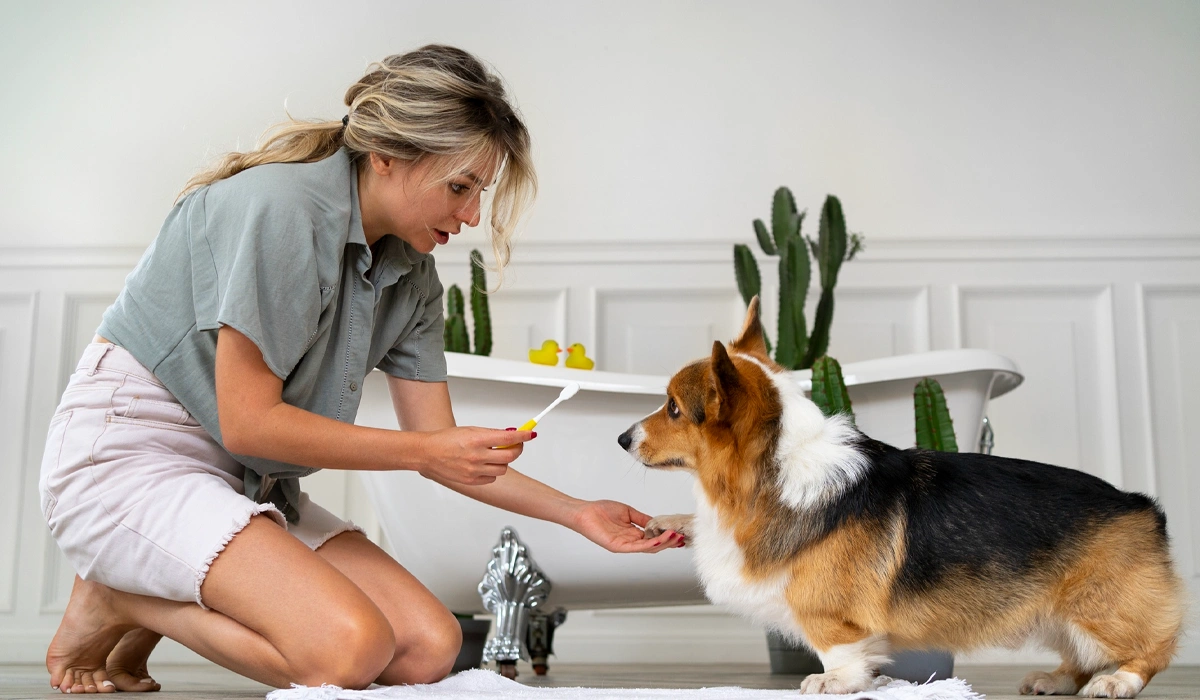
The Rise of Pet Grooming in America
If there’s one thing Americans never cut back on, it’s their pets.
Over the past decade, pet care has grown into a multi-billion-dollar industry — and grooming sits right at its heart.
From professional salons in city centers to mobile groomers visiting suburban homes, the demand for clean, well-kept pets has never been higher.
According to the American Pet Products Association (APPA), more than 66% of U.S. households own at least one pet, and the average owner spends over $1,500 per year on grooming, boarding, and health services combined.
In 2025, grooming isn’t just about vanity. It’s part of preventive health — keeping coats healthy, nails trimmed, ears clean, and skin issues under control.
For entrepreneurs, that means opportunity. Whether you’re an animal lover or a trained stylist, grooming can become a profitable and fulfilling business with the right foundation.
What Does a Pet Grooming Business Actually Do?
At its core, a grooming business provides personal care services for dogs, cats, and sometimes smaller pets like rabbits or ferrets.
The standard services typically include:
- Bathing and blow-drying
- Brushing and de-shedding
- Hair trimming or styling
- Nail clipping or grinding
- Ear cleaning
- Anal gland expression (for dogs)
- Flea and tick treatment
- Teeth brushing or mouth hygiene
But successful businesses go beyond basics. Many offer value-added services like creative grooming (dyeing or nail polish), aromatherapy, deshedding treatments, or pet massage (in states where allowed).
Some pair grooming with boarding, daycare, or retail — building steady revenue streams all year.
Who Uses Grooming Services
The client base has widened dramatically. In the past, grooming was seen as a luxury. Now, it’s a regular part of pet maintenance.
Typical customer groups include:
- Busy professionals who lack time for home bathing.
- Elderly owners who can’t lift or restrain their pets.
- Show pet enthusiasts who demand breed-specific grooming.
- First-time pet parents looking for expert help.
- Health-conscious owners who view grooming as preventive care.
Consistency matters: once owners find a groomer who treats their pet gently and communicates well, they rarely switch.
Business Models: Finding Your Fit
Your grooming setup depends on budget, experience, and lifestyle. Each model has pros and cons.
1. Home-Based Grooming
You operate from your house, typically converting a garage or basement into a grooming space.
- Pros: Low overhead, flexible hours, familiar environment.
- Cons: Zoning restrictions, limited space, possible noise complaints.
- Ideal for: Groomers starting small or part-time.
2. Salon or Shopfront
A dedicated storefront with full grooming stations and waiting area.
- Pros: Professional appearance, higher walk-in traffic, scalable.
- Cons: Higher rent and utilities, more regulations.
- Ideal for: Entrepreneurs planning long-term growth or multiple employees.
3. Mobile Grooming
A van or trailer equipped with all grooming essentials travels to clients’ homes.
- Pros: Convenience attracts premium pricing; minimal property costs.
- Cons: Vehicle maintenance, fuel, weather dependence.
- Ideal for: Independent groomers targeting suburban neighborhoods.
4. Hybrid Model
A combination — for instance, a salon with one mobile van for VIP customers or elderly clients.
This model maximizes reach but requires strong scheduling systems.
Step One: Market Research and Niche
Before buying your first clipper or tub, know your audience.
Market research is your roadmap — it tells you who needs your services, what they pay, and where gaps exist.
Key Research Areas
- Demographics: Dog ownership is highest in suburban and rural areas; cats dominate in urban apartments.
- Income Level: Households with higher income spend more on premium grooming.
- Competition: Visit local salons. What do they charge? What do reviews say about them?
- Demand Gaps: Maybe your town lacks cat-only grooming or same-day service. Fill that need.
Vet Clinics, Pet Stores, and Shelters are great partners for referrals and insight. Ask them what owners complain about or request most often.
Creating a Business Plan
A solid business plan keeps you focused and impresses lenders or investors. It should outline your structure, finances, and goals.
1. Executive Summary
Describe what kind of grooming business you’re launching and why it’ll succeed.
2. Market Analysis
Summarize your research — target customers, competitors, and demand trends.
3. Services Offered
List what you’ll provide (and what sets you apart).
4. Operations Plan
Include daily routines, number of stations, employee needs, appointment software, and safety protocols.
5. Marketing Strategy
How you’ll attract and retain clients — from social media to referral programs.
6. Financial Plan
Start-up budget, projected monthly expenses, income estimates, and break-even analysis.
7. Legal and Licensing
Mention how you’ll comply with local laws — we’ll cover this in later parts in detail.
Even if you’re self-funding, writing this plan helps you calculate realistic expectations and stay accountable.
Startup Costs: What You’ll Need to Budget For
Startup expenses vary depending on your setup, but every grooming business shares some basics.
Initial Equipment
| Item | Estimated Cost (USD) |
|---|---|
| Professional grooming table | $300 – $1,000 |
| Clipper sets & blades | $150 – $500 |
| Blow dryer / stand dryer | $200 – $1,000 |
| Stainless steel bathtub | $500 – $2,000 |
| Towels, shampoos, conditioners | $200 – $500 |
| Scissors & shears | $150 – $600 |
| Crates & holding kennels | $300 – $800 |
| Grooming arm & noose | $50 – $200 |
| Cleaning & disinfectant supplies | $100 – $300 |
| First aid kit & safety gear | $75 – $150 |
Total basic setup: $2,000 – $7,000 (before space rental or vehicle purchase).
Facility or Vehicle Setup
- Salon lease or renovation: $1,500 – $5,000/month, depending on location and size.
- Mobile grooming van: $60,000 – $100,000 (new), $25,000 – $60,000 (used).
- Insurance & licensing: $500 – $2,000/year.
- Point-of-sale (POS) system and software: $300 – $1,000.
Ongoing Monthly Costs
| Expense | Average Range |
|---|---|
| Shampoo, conditioner, towels | $100 – $300 |
| Utilities (salon) or fuel (mobile) | $200 – $600 |
| Marketing (ads, flyers, website) | $150 – $500 |
| Rent or loan payments | $1,500 – $5,000 |
| Staff wages (if any) | $2,000 – $6,000 |
| Business insurance | $100 – $200 |
| Accounting, booking software | $30 – $100 |
Typical total: $3,000 – $10,000 per month, depending on scale.
Pricing Your Services
Prices vary by region, pet size, and complexity of work.
In 2025, national averages look like this:
| Service | Average Price (USD) |
|---|---|
| Bath & Brush (Small Dog) | $30 – $50 |
| Full Groom (Haircut, Nails, Ears) | $60 – $90 |
| Large Dog Groom | $80 – $120 |
| Cat Groom (Full Service) | $70 – $100 |
| Nail Trim / Grind | $10 – $20 |
| Deshedding / Specialty Treatment | $25 – $50 add-on |
To find your own pricing:
- Research 5–10 local competitors.
- Calculate your hourly rate (include prep, cleaning, and overhead).
- Factor in travel time for mobile services.
- Offer bundle deals for loyalty but avoid deep discounting early on.
Estimating Profit Potential
Let’s take a simple salon example:
- 5 dogs per day at an average of $70 = $350 daily.
- Work 25 days/month = $8,750 revenue.
- Subtract $4,000 operating costs → profit ≈ $4,750/month.
As reputation grows, add retail shampoo sales, tip income, and seasonal upgrades — pushing monthly earnings upward of $7,000–$10,000 for solo groomers and more for teams.
Skills Every Groomer Needs
Even if you plan to hire groomers later, understanding the craft yourself builds credibility.
Essential skills:
- Pet handling and safety.
- Clipper and scissor techniques.
- Breed-specific styling.
- Skin and coat care knowledge.
- Basic animal first aid.
- Customer communication.
Formal training isn’t required in every state, but certificates from grooming academies or trade schools strengthen your professionalism and justify higher pricing.
Why Grooming Appeals to Entrepreneurs
Pet grooming is one of the few service businesses combining creativity, hands-on work, and emotional reward. You’re improving animals’ comfort, health, and confidence — and most days, you’ll be surrounded by wagging tails.
It’s also resilient against economic downturns; pet care spending has steadily risen even during recessions. Owners may delay vacations or gadgets, but not the well-being of their pets.
With clear planning, realistic budgeting, and compassion, grooming can be more than a job — it can be a lifestyle built on trust and joy.
Building a Brand That Feels Personal
Your grooming business isn’t just about baths and haircuts — it’s about trust.
When pet owners drop off their companions, they’re not just handing over fur; they’re handing over family. The strength of your brand will determine whether they come back and refer others.
Your brand should communicate safety, professionalism, and warmth. From the name to the decor, every detail sends a message.
Tips for choosing a business name:
- Keep it short, easy to remember, and friendly (e.g., Pawfect Cuts, The Groom Room, Bubbles & Bows).
- Avoid overly generic names that blend into competitors.
- Check that the name isn’t already registered in your state and the .com domain is available.
Your logo and color palette should match the tone you want to set — fun and playful, or upscale and spa-like.
Use consistent fonts, signage, uniforms, and social media visuals to make your brand recognizable anywhere customers see it.
Setting the Tone for Client Trust
Owners are emotional about their pets. That means your business must project professionalism right from the first impression.
- Website: Clean design, easy navigation, service menu, prices, location, and contact form. Add a gallery of before-and-after photos.
- Social Media: Regular posts of happy pets (with owner consent). Reels showing gentle grooming techniques perform especially well.
- Reviews: Encourage satisfied clients to leave Google and Yelp reviews. Reply to every review politely, even negative ones.
- Community Presence: Attend adoption events or partner with local shelters for discount grooming days. It builds goodwill and visibility.
A grooming business that feels trustworthy online will often attract walk-ins before they ever step foot in your shop.
Choosing the Right Equipment (Investing Smartly)
You don’t need every gadget on day one, but you do need reliable, safe, and hygienic tools. The goal is to reduce stress — for both the groomer and the animal.
Core Grooming Tools
- Tables: Adjustable hydraulic or electric tables prevent back strain.
- Tubs: Stainless steel tubs with ramps make washing large dogs safer.
- Dryers: Use high-velocity dryers with noise control to calm pets.
- Shears: Keep separate scissors for face, body, and finishing work.
- Clippers: Choose professional-grade with detachable blades; invest in blade coolant to prevent burns.
- Combs and Brushes: Slicker, de-shedding, and undercoat rakes for all coat types.
- Nail Tools: Grinders are safer than clippers for most dogs.
Sanitation Supplies
- Disinfectant (veterinary-grade).
- Non-slip mats and waterproof flooring.
- Laundry setup for towels and bedding.
- Air purifiers or exhaust fans to reduce fur and dander buildup.
Keeping your equipment clean is as important as having it. Clients notice, and so do inspectors.
Designing Your Salon Layout
Your space should be designed around efficiency, comfort, and safety.
Typical salon zones include:
- Reception/Check-in area: A calm entry with a seating bench, product shelves, and a POS counter.
- Grooming zone: Tables and dryers spaced apart to prevent stress and accidents.
- Bathing area: Non-slip floors and tubs with waist-height access.
- Holding/crate area: Quiet space with proper ventilation for pre- and post-groom rest.
- Storage & laundry room: Keep cleaning supplies and towels organized away from grooming areas.
If you’re running a mobile grooming van, layout planning is even more crucial. Ensure it includes:
- Fresh and gray water tanks.
- Power generator or inverter system.
- Climate control (heat and A/C).
- Safe storage for sharp tools and chemicals.
- Emergency first-aid kit and extinguishers.
A tidy, well-designed space communicates professionalism — clients equate clean surroundings with safer service.
Daily Operations: What a Typical Day Looks Like
Even small grooming businesses benefit from structure. A clear routine keeps the day running smoothly and reduces stress for both staff and pets.
Example Schedule:
| Time | Activity |
|---|---|
| 8:00 – 9:00 AM | Setup, cleaning, equipment check, first appointments arrive |
| 9:00 – 12:00 PM | Bathing and drying small dogs and cats |
| 12:00 – 1:00 PM | Lunch break, sanitizing tools |
| 1:00 – 4:00 PM | Full grooms for medium/large dogs |
| 4:00 – 5:00 PM | Nail trims, pickups, final clean-up |
| 5:00 – 6:00 PM | Admin work, social media updates, client follow-ups |
You’ll adjust depending on workload, but this rhythm helps balance efficiency with pet comfort.
Appointment Scheduling and Management
Use a booking system instead of relying on phone calls or notebooks.
Popular options include:
- Gingr
- Pawfinity
- Square Appointments
- MoeGo
- Acuity Scheduling
These tools allow online booking, send automatic reminders, manage repeat clients, and process payments securely.
They also reduce no-shows — one of the most common income leaks in grooming.
Always build buffer time between appointments for cleaning, drying delays, and unexpected behavior issues.
Creating an Excellent Customer Experience
Customer experience isn’t just about how the pet looks — it’s about how the owner feels from drop-off to pickup.
1. Greeting and Check-In
- Be calm and friendly; greet both pet and owner by name.
- Ask about any medical or behavioral concerns.
- Keep detailed notes for future visits (allergies, skin issues, favorite bows, etc.).
2. Transparency During Service
- Offer text updates or photos for anxious owners.
- If a matting issue or flea problem arises, call before adding extra charges.
3. Pickup Experience
- Present the pet neatly, with a quick report on behavior or health observations.
- Offer small touches — a bow, a spritz of pet cologne, or a complimentary treat.
4. Follow-Up
- Send a thank-you message or reminder for their next visit.
- Encourage feedback or reviews.
These gestures turn first-time visitors into loyal clients who rebook automatically.
Staffing and Training
As business grows, you’ll eventually need help — either assistants or full-time groomers.
Common Roles:
- Lead Groomer: Performs complex cuts and oversees quality.
- Bather/Assistant: Handles washing, drying, and prep work.
- Receptionist: Manages scheduling, payments, and customer service.
- Cleaner/Utility staff: Keeps facilities sanitized daily.
Qualities to look for:
- Patience and empathy.
- Physical stamina (grooming can be demanding).
- Teamwork and reliability.
- Knowledge of breed standards and coat care.
Even if employees are experienced, create standard operating procedures (SOPs). They ensure every pet receives the same care level — no matter who’s on shift.
Handling Difficult Pets
Every groomer faces pets that bite, scratch, or panic.
Professional handling means keeping everyone safe, not forcing compliance.
Tips for managing difficult animals:
- Stay calm — your tone affects their stress.
- Use loop restraints correctly; never leave a pet unattended.
- Reward calm behavior with soft praise.
- If aggression escalates, stop and contact the owner — safety first.
- Some states allow “muzzle fees” for difficult pets; communicate that policy upfront.
Consider Fear-Free Grooming Certification, which teaches low-stress handling techniques — a great marketing advantage.
Upselling and Add-On Services
Add-ons not only increase income but enhance the pet’s comfort.
Examples:
- Teeth brushing – $10
- Nail grinding – $15
- Paw balm or conditioning mask – $10
- De-shedding treatment – $25
- Flea bath or medicated shampoo – $20
- Creative grooming (safe dye, nail polish) – $15–$30
These should always feel optional, not pushy. Suggest them based on genuine benefit — such as dry paws or shedding issues.
Retail Opportunities
Selling products that complement your services is smart business.
You’re already the pet-care expert in your clients’ eyes — they’ll trust your recommendations.
Popular retail items:
- Shampoos and conditioners used in your salon.
- Brushes, combs, and detangling sprays.
- Pet colognes.
- Dental chews and paw care products.
- Gift cards for holidays or birthdays.
Retail adds 10–20% to monthly revenue and helps strengthen brand loyalty.
Managing Reviews and Reputation
Your online presence can make or break bookings.
To maintain a strong reputation:
- Respond quickly to messages on Google and Facebook.
- Politely resolve any complaints (sometimes offering a redo at a discount helps).
- Feature positive testimonials on your website.
- Post real photos — not stock images — to show authenticity.
Word-of-mouth is still your most powerful advertising tool. Every satisfied owner is a walking advertisement at the dog park.
Safety and Hygiene Protocols
Hygiene builds trust faster than any logo.
Make cleaning part of your visible routine.
Checklist:
- Disinfect tables and tubs after each pet.
- Wash towels in hot water daily.
- Replace grooming loops regularly.
- Store scissors and clippers in sanitized drawers.
- Keep a logbook for deep cleaning and filter changes.
If you handle cats, separate them from dogs — ideally in a quiet room or at least on a different schedule.
⬇️Also Read⬇️
hat to Do After a Car Accident: Legal, Insurance, and Medical Steps
Emergency readiness:
Keep first-aid kits (for both pets and humans), know the nearest emergency vet, and have an evacuation plan for fires or floods.
Handling Payments and Tips
Today’s customers expect flexibility. Accept:
- Cash and cards
- Mobile payments (Apple Pay, Venmo, Zelle)
- Online pre-payments through your booking software
Create a clear tipping system — either built into the checkout screen or with labeled jars. Most clients tip 10–20% for excellent service.
Building Long-Term Customer Loyalty
Customer retention is where profit multiplies.
Loyal clients mean steady cash flow, predictable scheduling, and organic referrals.
Strategies that work:
- Loyalty programs: “Book 5 grooms, get 1 free.”
- Birthday perks: A free bow or treat during their pet’s birth month.
- Referral rewards: $10 off for each new client referral.
- Seasonal packages: “Spring Shed Control” or “Winter Paw Care.”
Consistency, kindness, and memory of details (like a pet’s name or anxiety triggers) turn one-time visitors into brand ambassadors.
Why Legal and Regulatory Compliance Matters
You can have the best scissors, the cutest logo, and the friendliest staff — but if your business isn’t legally compliant, it can all unravel fast.
Pet grooming involves both business regulations and animal welfare standards.
Customers trust you with living creatures, and authorities expect you to meet safety, sanitation, and ethical care requirements.
Running a fully legal operation doesn’t just keep you out of trouble — it builds credibility. When pet owners see licenses proudly displayed on your wall or website, it signals professionalism and accountability.
1. Business Registration and Structure
Before you can wash your first pup or trim your first paw, you’ll need to decide how your business will legally operate.
Most groomers choose one of the following structures:
| Structure | Description | Best For |
|---|---|---|
| Sole Proprietorship | Simplest setup; you own everything and file taxes personally. | Small, home-based, or part-time groomers. |
| Limited Liability Company (LLC) | Separates personal and business assets; flexible and easy to manage. | Most small grooming salons or mobile units. |
| Corporation (S or C) | More paperwork, more protection; suited for larger, multi-location operations. | Multi-employee or franchise-level grooming businesses. |
| Partnership | Two or more people share ownership and profit/loss responsibilities. | Friends or couples launching a joint venture. |
Tip: For most small grooming businesses, an LLC is ideal. It’s simple to form, shields personal assets, and gives you tax flexibility.
Registering Your Business
- Choose a business name and verify it’s not already taken in your state.
- File with your state’s business registration office or Secretary of State.
- Obtain an EIN (Employer Identification Number) from the IRS (free at irs.gov).
- Register for state and local taxes, including sales tax if you sell products.
- Apply for a local business license or occupational permit through your city or county clerk’s office.
Each state has slight variations — for example:
- California requires registration with the Board of Equalization for retail sales.
- Texas has specific city-by-city health permit rules.
- New York mandates commercial zoning approval even for home setups.
Check your city zoning department before investing in renovations — some residential areas restrict pet-related businesses.
2. Zoning and Facility Requirements
If you’re opening a salon or home-based operation, confirm you’re zoned properly.
Why zoning matters:
Zoning laws control what type of business can operate in a given area.
Running a grooming salon in a strictly residential neighborhood without a special permit can result in fines or shutdowns.
Checklist:
- Confirm “pet grooming” is an allowed activity in your chosen address.
- Request a Certificate of Occupancy before opening.
- Ensure parking meets local requirements (especially for mobile grooming vehicles).
- Maintain proper waste disposal — hair, shampoos, and animal waste must follow environmental guidelines.
Mobile Groomers:
Some cities require a mobile vendor permit or vehicle inspection from the local health department.
3. State and Local Grooming Regulations
Unlike veterinarians or boarding facilities, groomers in the U.S. are not federally regulated.
However, several states and municipalities have specific standards — mainly around sanitation and animal welfare.
Examples of State Guidelines:
- Colorado: Requires pet groomers to follow animal-cruelty statutes and provide clean, safe facilities.
- New Jersey: Has proposed legislation to license pet groomers under a state board.
- Florida: Enforces local permits for salons using chemicals or offering boarding services.
- California: Requires grooming vans to comply with mobile business vehicle regulations.
- New York City: Demands Department of Health inspections for any grooming location offering pet bathing.
Always check with your state’s Department of Agriculture or Health Services for current grooming-specific rules.
4. Animal Welfare and Safety Standards
Grooming businesses are accountable for the health and safety of every animal they handle.
Even a minor injury can escalate quickly if negligence is proven.
Adopt and document your safety standards:
- Never leave pets unattended on tables or in dryers.
- Always use safety restraints correctly.
- Avoid heated dryers with no timers or temperature control.
- Monitor water temperature carefully.
- Use hypoallergenic, veterinary-grade shampoos whenever possible.
- Keep emergency contact information for each client on file.
- Provide immediate veterinary care if an accident occurs.
Display your Safety and Emergency Protocols where staff and inspectors can see them.
5. Insurance: Protecting Your Business and Clients
Insurance is non-negotiable. Accidents happen — and in grooming, they can be expensive.
Proper coverage ensures you’re protected against injury claims, property damage, or legal disputes.
Essential Insurance Policies
| Type | Covers | Average Annual Cost (USD) |
|---|---|---|
| General Liability | Injuries to pets or clients, property damage | $350 – $800 |
| Professional Liability | Mistakes or negligence (e.g., pet injury during service) | $200 – $600 |
| Commercial Property | Fire, theft, or water damage to equipment and supplies | $300 – $1,000 |
| Workers’ Compensation | Employee injuries on the job | Varies by state |
| Commercial Auto (for mobile units) | Vehicle accidents, equipment inside | $800 – $2,000 |
| Animal Bailee Coverage | Injury, loss, or death of a client’s pet while in your care | $200 – $500 |
Recommended Providers:
- The Hartford
- Next Insurance
- State Farm
- Pet Care Insurance (specialized plans for groomers)
- Progressive Commercial
Keep proof of insurance easily accessible — inspectors or landlords may ask to see it.
6. Health, Sanitation, and Safety Compliance
Grooming salons are held to cleanliness standards similar to healthcare environments — because you’re dealing with living beings that can transmit infections.
Basic Compliance Steps:
- Daily sanitization: Disinfect tables, tools, and tubs between clients.
- Weekly deep cleaning: Floors, dryers, kennels, drains, and filters.
- Separate sick animals: If a pet shows fleas, mange, or open wounds, refuse service or require a vet note.
- Laundry: Wash towels in hot water and use fragrance-free detergent.
- Ventilation: Proper airflow prevents mold and respiratory irritation.
- Chemical storage: Keep shampoos and cleaners in labeled, locked cabinets.
Some states (like California and Florida) may require random inspections to verify hygiene standards.
7. Employee and Labor Law Compliance
If you hire staff, you’re now an employer — and that comes with legal duties.
Compliance Requirements:
- Obtain an EIN (Employer Identification Number) from the IRS.
- Register for State Unemployment Insurance and Workers’ Compensation.
- Comply with OSHA (Occupational Safety and Health Administration) safety rules — provide gloves, eyewear, and proper ventilation.
- Post labor law posters in visible areas (minimum wage, safety guidelines).
- Follow youth employment laws — most states prohibit minors under 16 from handling animals professionally.
- Create written policies for breaks, scheduling, and tip distribution.
Many states require payroll to be managed through registered systems like Gusto or ADP for accurate tax reporting.
8. Contracts, Waivers, and Client Agreements
Proper paperwork protects both you and your clients.
Every grooming business should have:
- Service Agreement: Outlines what’s included in each package and the estimated cost.
- Liability Waiver: Acknowledges risks (e.g., mat removal, flea baths, behavior issues).
- Photo/Video Consent Form: Lets you post pet photos on social media for marketing.
- Veterinary Release Form: Allows emergency treatment if you can’t reach the owner.
- Vaccination Policy Agreement: Confirms pets are up-to-date on rabies and other vaccines.
Keep signed copies digitally (using tools like DocuSign or HelloSign) for easy access.
Tip: Have your contracts reviewed by a local attorney before you start operations. This small investment can save thousands later.
9. Recordkeeping and Data Protection
Accurate records keep your business organized and compliant.
Maintain files for:
- Client contact and vaccination details.
- Appointment history and payment records.
- Supplier invoices and expense receipts.
- Incident reports or pet injuries.
- Employee timesheets and payroll.
Use cloud-based grooming software to automate storage and backups.
If you store client data electronically, comply with privacy laws like the California Consumer Privacy Act (CCPA) — especially if you collect email addresses for marketing.
10. Industry Certifications and Professional Organizations
While not mandatory, certifications boost trust and skill level.
Consider joining professional associations that provide training, networking, and credibility.
Popular Certifications:
- National Dog Groomers Association of America (NDGAA)
- International Professional Groomers, Inc. (IPG)
- PetTech Pet First Aid & CPR Certification
- Fear-Free Groomer Certification
Memberships often include discounts on liability insurance and access to continuing education seminars.
11. Accessibility and Inclusivity Requirements
If you operate a storefront open to the public, you must comply with the Americans with Disabilities Act (ADA).
This includes:
- Accessible parking and entryways.
- A clear path for mobility devices.
- ADA-compliant restrooms (if public).
- Staff trained to assist customers with disabilities.
Ignoring accessibility rules can result in fines or lawsuits.
12. Environmental Responsibility
Sustainability matters to modern customers — and regulators.
You can make your grooming business eco-friendly while saving costs:
- Use biodegradable shampoos and cleaning products.
- Install low-flow faucets.
- Recycle shampoo containers and packaging.
- Partner with green product suppliers.
- Dispose of pet hair properly (some companies recycle it into mats for oil spills).
Eco-conscious branding not only protects the environment — it strengthens your reputation.
13. Common Legal Mistakes New Groomers Make
- Operating without local permits.
- Failing to register as an LLC or carry insurance.
- Ignoring safety inspections or sanitation reports.
- Using unsigned waivers or outdated client forms.
- Hiring untrained staff without proper labor documentation.
Avoid these early missteps, and your business foundation will be far stronger than most.
Legal Peace of Mind
Legal compliance isn’t glamorous — but it’s what separates hobbyists from true professionals.
When your paperwork is airtight, insurance is active, and safety standards are clear, you earn confidence — not just from clients, but from landlords, suppliers, and vets who refer their patients to you.
It’s the invisible shield protecting everything you’ve worked for.
Once you’re legally solid, you can focus on what truly matters: the pets, the people, and the business you’re building with integrity.
Why Marketing Matters in a Service-Based Business
In the pet world, word of mouth is powerful — but it’s not enough on its own.
Every grooming business, no matter how skilled, needs a consistent strategy to attract new clients and keep existing ones engaged. Marketing isn’t just advertising; it’s storytelling. It shows potential customers why your service is safer, friendlier, and more trustworthy than others.
The good news? You don’t need a huge budget. You just need visibility, authenticity, and consistency.
1. Create a Memorable Online Presence
Your website and social media accounts are often the first impression new clients have of your brand.
What every grooming website should include:
- Clean, mobile-friendly design.
- Clear list of services and prices.
- Online booking link (connected to your scheduling software).
- Photo gallery of real clients’ pets (with owner consent).
- “About Us” section with a short personal story — people love to know why you do what you do.
- Links to Google Maps and contact info.
Keep your tone conversational. Add small details that show care:
“We treat every pet like our own,” or “No cage dryers, ever — comfort first.”
Pro Tip:
Integrate Google Analytics or a similar tracker. It helps you understand how people find your site and which pages perform best.
2. Social Media That Builds Trust, Not Noise
Social media is your free billboard — but it only works when used with purpose.
Best platforms for groomers:
- Instagram: Perfect for visual storytelling — before-and-after posts, Reels of bathing or drying, and fun transformations.
- Facebook: Great for community engagement, reviews, and event announcements.
- TikTok: Use short videos showing funny or satisfying grooming moments (always gentle and ethical).
- Nextdoor: Excellent for targeting local neighborhoods.
- Google Business Profile: Critical for appearing in “pet grooming near me” searches.
Content ideas:
- “Transformation Tuesday” with before-and-after grooms.
- Quick tips (e.g., “3 signs your dog needs a trim”).
- Behind-the-scenes clips.
- Holiday-themed posts (Halloween bandanas, Christmas bows).
- Short introductions to your staff or mobile van setup.
Consistency Tip:
Post 3–4 times per week and respond to all comments. People book with businesses that feel alive online.
3. Encourage and Showcase Reviews
Happy clients are your most powerful marketing tool.
After every visit, politely ask for feedback and remind them where to leave a review.
You can even create a small card that says:
“If you loved today’s groom, tell others!
Leave us a Google or Yelp review — your support helps small businesses grow!”
Why reviews matter:
- Google ranks businesses with strong ratings higher in local search.
- New customers trust testimonials more than ads.
- Reviews create social proof that your service is safe and professional.
Pro Tip:
Reply to every review — even negative ones.
If something went wrong, apologize sincerely and offer to make it right. How you respond says as much about your business as the review itself.
4. Community Engagement and Partnerships
Offline presence still matters.
You’ll find your most loyal clients in local communities — not through flashy ads but genuine connection.
Ways to build local presence:
- Partner with veterinarians or pet supply stores for cross-referrals.
- Sponsor dog parks, pet fairs, or rescue events.
- Offer discounted first grooms for newly adopted pets through shelters.
- Donate a free grooming session to local charity raffles.
These gestures create goodwill — and they often lead to consistent business from grateful clients.
5. Loyalty and Referral Programs
Customer retention is far cheaper than constant acquisition.
Reward repeat visits — it keeps clients coming back and turns them into ambassadors for your brand.
Effective loyalty ideas:
- Stamp cards: “After 5 grooms, get 1 free.”
- Referral bonuses: Both referrer and new client get $10 off.
- Membership packages: Monthly subscriptions offering a discount or guaranteed time slots.
- VIP programs: Early access to seasonal promotions, holiday grooming slots, or special treats.
Tip: Automate loyalty tracking through your booking software to avoid paperwork and errors.
6. Seasonal Promotions and Events
Tie your marketing calendar to pet owners’ real-world needs.
Pets shed more in spring and get matted more in winter — use that cycle to plan promotions.
Ideas:
- “Spring Shed Control Package” – includes deshedding and coat conditioning.
- “Summer Spa Day” – flea bath, paw balm, and cooling shampoo.
- “Holiday Glam Session” – festive bandana and nail trim.
- “New Year, New Fur” – discount for returning customers.
Make each event fun and photo-worthy — many owners love sharing post-groom pics on social media (free exposure for you).
7. Paid Advertising (When You’re Ready)
Once your basic presence is set, small paid ads can push growth faster.
Options:
- Google Ads (Local Services) – appear at the top when someone searches “dog groomer near me.”
- Facebook Ads – target specific zip codes, ages, and interests like “dog owners.”
- Instagram Promotions – great for boosting visually appealing posts.
Start small ($5–$10/day) and measure performance. The best ads are local and personal — show your face, your workspace, or a real pet in your care.
8. Managing Growth and Scaling Your Business
Once your salon or mobile unit stays fully booked, expansion becomes natural — but it must be strategic.
Expansion Paths:
- Add Another Groomer: Train someone under your methods before doubling volume.
- Open a Second Location: Choose an area 10–20 miles away to avoid overlap.
- Introduce Mobile Service: Reach customers who can’t come to you.
- Offer Complementary Services: Pet daycare, boarding, or training.
- Start a Pet Boutique: Sell grooming tools, healthy treats, or collars.
Each step requires planning — especially for staffing and quality control. Growth without systems leads to burnout, not profit.
9. Franchising or Building a Brand Network
If you’ve built a strong local reputation, franchising might be your next move.
Franchising allows others to operate under your brand name using your systems — in exchange for fees or royalties.
Before franchising:
- Document your SOPs (Standard Operating Procedures) — how to groom, clean, price, and market consistently.
- Register your trademark.
- Work with a franchise attorney to create legal agreements.
- Provide support and training for franchisees to protect brand reputation.
Alternatively, you can expand regionally under full ownership — keeping control while building multiple branches.
10. Financial Management and Record Keeping
To grow sustainably, treat finances like a science.
Keep detailed monthly records of:
- Revenue per service type (grooming, retail, tips).
- Expenses (products, utilities, payroll).
- Taxes and depreciation (for vehicles or equipment).
- Cash flow (seasonal slowdowns vs. busy months).
Software tools: QuickBooks, Wave, or FreshBooks make accounting simple even for small operators.
Hire a tax professional by your second year — they’ll help you claim deductions for supplies, travel, insurance, and education.
11. Training and Continuing Education
Pet grooming evolves constantly — from new coat treatments to changing safety laws.
Stay current to stay competitive.
Ongoing education options:
- Attend grooming expos (like SuperZoo or Groom Expo West).
- Take certification courses in advanced breed styling.
- Watch webinars from the National Dog Groomers Association of America.
- Study animal behavior to handle nervous pets more safely.
- Learn about sustainable, hypoallergenic, and vegan grooming products — a growing trend among modern pet parents.
Investing in yourself keeps your skills sharp and your service relevant.
12. Dealing with Burnout and Work-Life Balance
Grooming is rewarding but physically demanding.
Hours on your feet, repetitive movements, and emotional pressure from handling stressed pets can wear anyone down.
Ways to prevent burnout:
- Schedule rest days or shorter shifts mid-week.
- Rotate tasks (bathing vs. clipping) if you have staff.
- Use ergonomic mats, chairs, and adjustable tables.
- Take vacations — even small breaks restore patience and creativity.
Remember: A calm, healthy groomer creates calm, happy pets.
13. Long-Term Customer Retention
Customer loyalty isn’t about discounts — it’s about relationships.
Keep records of every pet’s grooming notes, preferences, and birthdays.
Send reminders before appointments or during shedding seasons.
A personal touch like “Hi Sarah, Max is due for his summer cut next week!” reminds owners you care — and it fills your schedule automatically.
14. Tracking Success Metrics
As your business matures, monitor performance using clear metrics:
- Client retention rate: % of customers who rebook within 8 weeks.
- Average transaction value: The amount each customer spends.
- New vs. returning clients: Balance shows sustainable growth.
- Google review count and rating.
- Employee turnover rate if you have staff.
Numbers don’t lie. They reveal where to improve — and where to celebrate progress.
15. Preparing for the Future of Pet Grooming
The grooming industry is evolving with technology and consumer awareness.
Trends shaping 2025 and beyond:
- Eco-friendly salons: Using biodegradable shampoos and water-saving systems.
- Mobile-first bookings: Clients prefer apps and instant confirmations.
- Pet wellness integration: Grooming paired with nutrition or skin care advice.
- AI-based scheduling and reminders.
- Pet cameras and live updates during grooming.
Businesses that adapt early will dominate the next decade of pet care.
16. Exit Strategies and Succession Planning
Even small businesses need long-term vision.
If you ever want to retire or sell:
- Keep your books clean — buyers want clarity.
- Build repeatable systems that work without you.
- Protect your brand legally (trademarks, domain names).
- Consider selling to an employee or family member familiar with the business.
Planning now means you’ll one day step back with pride — and profit.
Final Thoughts: Building More Than a Business
Pet grooming isn’t just about soap, scissors, and schedules.
It’s a profession built on empathy — a rare mix of skill and heart.
You’ll meet clients who treat their pets like children, seniors who find companionship in their animals, and rescues that transform from fearful to joyful under your care.
Every wagging tail and grateful owner reminds you why this work matters.
Success won’t come overnight.
It grows quietly through patience, consistency, and compassion — much like the animals you care for.
Whether you’re operating from a converted garage, a full salon, or a mobile van, remember this:
You’re not just running a grooming business.
You’re part of the invisible network that keeps pets healthy, owners happy, and communities connected.
And that, in the end, is what makes this industry so special — it’s profitable, yes, but also deeply human.
