
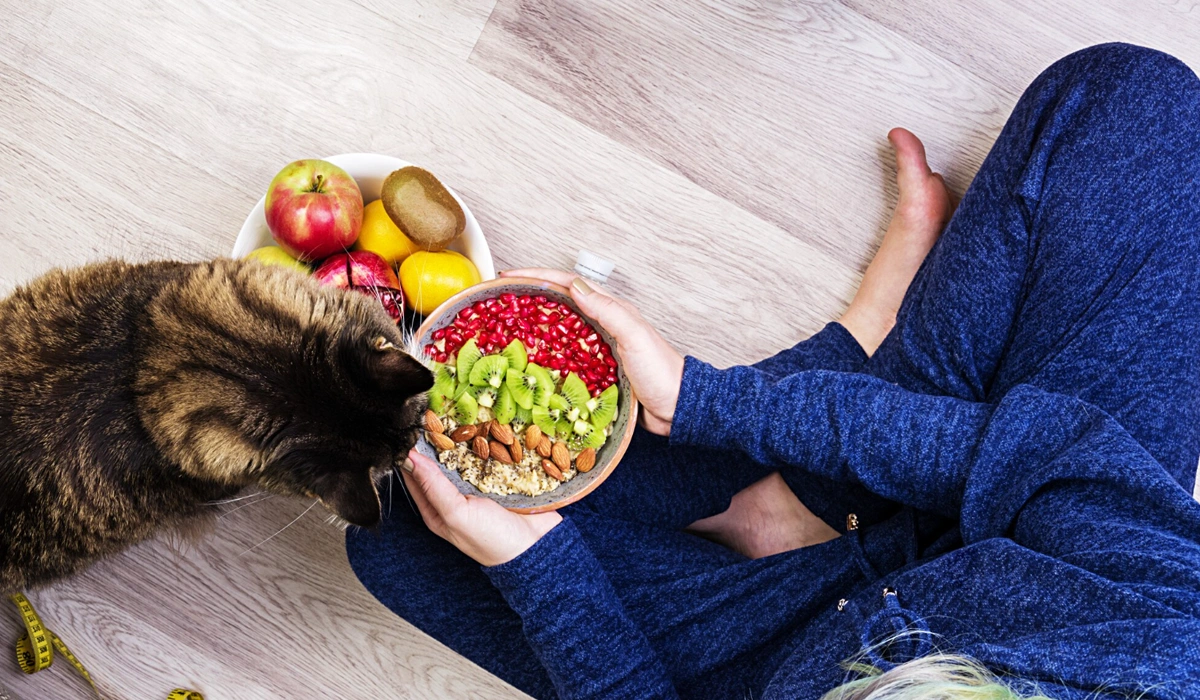
Why Pet Nutrition Deserves Serious Attention
Feeding a pet isn’t just about filling a bowl — it’s about shaping a lifespan.
Every scoop you pour and every meal you choose is a quiet investment in your pet’s future.
A balanced diet does more than satisfy hunger — it fuels every heartbeat, strengthens every bone, and keeps every muscle working as nature intended.
In many ways, nutrition is a form of daily medicine. It’s not dramatic like a vet visit or an emergency surgery; it’s steady and unseen, quietly keeping your pet’s body in harmony.
But as simple as that sounds, feeding pets in 2025 is more confusing than ever.
Walk down any pet store aisle, and you’ll see what owners are up against: shiny bags boasting “grain-free,” “ancient grains,” “raw-inspired,” “human-grade,” “fresh-frozen,” “ancestral,” and “holistic.” Each one promises longevity, energy, or immunity.
Behind the labels are marketing teams, trends, and buzzwords that often drown out the basics of actual nutrition.
Most people want to do right by their pets — but with so many formulas, it’s easy to get lost.
Should you feed kibble or fresh food? Is chicken better than beef? Does “grain-free” mean healthier, or could it harm the heart? Even well-meaning owners can end up guessing, guided more by packaging design than science.
Veterinarians see the consequences every day. Some pets arrive undernourished from strict fad diets. Others are overweight from free-feeding high-calorie “premium” foods.
The truth is, there’s no single “superfood” or magic ingredient. The perfect diet looks different for every pet — and that’s where breed-specific knowledge becomes priceless.
Veterinarians agree that the right diet depends on species, size, age, breed, and lifestyle.
Each of these factors changes how nutrients are processed, stored, and used.
- Species: Dogs are omnivores with some flexibility; cats are obligate carnivores that must eat meat to survive.
- Size: Small dogs burn calories rapidly; large dogs require controlled energy intake to protect their joints.
- Age: Puppies and kittens need dense calories for growth, while seniors benefit from lighter, more digestible formulas.
- Breed: Genetics influence metabolism, coat quality, and vulnerability to disease.
- Lifestyle: A working farm dog and an apartment-dwelling lapdog don’t have the same energy demands — and they shouldn’t eat like they do.
What fuels a playful Jack Russell Terrier could overwhelm a calm Great Dane.
The same meal that keeps a Maine Coon’s coat glossy might upset a Siamese’s sensitive stomach.
Nutrition is not “one size fits all,” and understanding these nuances is the key to true preventive care.
Poor nutrition rarely shows its hand overnight.
It’s not always dramatic weight loss or gain — it’s the slow fading of vitality. A dull coat. Less enthusiasm for play. Persistent bad breath. An older pet that seems “lazy,” when in truth, its body is undernourished or inflamed.
Over months or years, nutritional imbalances can silently affect:
- Energy levels, making pets lethargic or hyperactive.
- Dental health, leading to gum infections or tooth decay.
- Immune strength, leaving pets vulnerable to chronic infections.
- Organ function, especially liver and kidney strain from excess protein or minerals.
- Joint mobility, when diets lack omega-3s or proper calcium balance.
These aren’t just surface issues — they determine how long and how well a pet lives.
On the flip side, a consistent, breed-appropriate feeding plan can literally extend lifespan by two to four healthy years.
That’s more playtime, more walks, more quiet evenings curled up on the couch. It’s the difference between “aging” and “thriving.”
A meal isn’t just nutrition — it’s connection.
When your dog’s tail wags or your cat purrs at dinnertime, that small ritual builds trust and comfort. Feeding is one of the few moments in a pet’s day entirely defined by your choices.
It’s also the easiest way to improve health without medication or complicated routines.
The right balance of protein, fat, fiber, and hydration influences everything from energy and mood to coat shine and cognitive sharpness.
Even small tweaks — switching to a digestible protein, adding fish oil, or timing meals consistently — can transform how a pet feels within weeks.
Modern veterinary science increasingly views nutrition as the first line of defense against disease.
Good diets prevent problems before they require treatment:
- Correct mineral balance prevents kidney and bladder stones.
- Controlled fat and carbs prevent diabetes and obesity.
- Adequate antioxidants slow cellular aging.
- Targeted amino acids (like taurine or carnitine) protect the heart.
In that sense, a well-chosen bag of food or homemade recipe can do what medication often can’t — preserve health naturally and continuously.
Feeding a pet is one of the most important responsibilities of ownership.
It’s where love meets science — a daily choice that speaks louder than words.
When you measure portions carefully, read labels thoughtfully, and tailor meals to your pet’s real needs, you’re not just filling a bowl.
You’re supporting a body, extending a life, and strengthening a bond that depends entirely on your care.
Nutrition is the foundation of everything else — training, play, happiness, and health.
And once you see feeding that way, it stops being a routine task and becomes something far more meaningful: a way to say “I love you” every single day.
The Building Blocks of Every Healthy Diet
Before diving into breed specifics, it helps to understand the nutritional pillars vets evaluate when recommending food.
1. Protein
The foundation of muscle, tissue repair, and hormone production.
- Dogs thrive on animal-based proteins (chicken, beef, fish, lamb).
- Cats, being obligate carnivores, require even higher percentages — ideally over 30 % dry-matter protein.
- Small mammals like rabbits and guinea pigs get their protein from high-fiber plants and legumes.
2. Fats
Healthy fats supply energy and support skin, coat, and joint function.
Omega-3s from salmon oil or flaxseed reduce inflammation; omega-6s maintain skin elasticity.
Too little fat causes dull fur; too much leads to obesity — one of the most common vet-treated issues today.
3. Carbohydrates
While not essential for cats, moderate carbs benefit most dogs by providing quick energy.
Whole grains (oats, barley, brown rice) and vegetables are preferred over refined fillers like cornmeal.
4. Fiber
Fiber keeps digestion on track, prevents constipation, and supports gut bacteria.
Breeds prone to weight gain, like Beagles or indoor cats, often need fiber-enriched formulas.
5. Vitamins & Minerals
These micronutrients handle hundreds of invisible tasks: bone strength (calcium, phosphorus), nerve function (magnesium, potassium), immune defense (vitamin E, selenium).
Veterinary-approved commercial diets already balance these, but homemade feeders must be careful to supplement properly.
6. Water
Often forgotten, yet vital. Pets lose moisture through panting and grooming.
Dogs should drink roughly one ounce per pound daily; cats closer to half an ounce. Wet food helps boost hydration naturally.
Breed vs Size vs Life Stage
A puppy’s or kitten’s body burns calories like a small furnace, while a senior pet’s metabolism slows dramatically.
Breed influences those needs through body composition, bone density, and common hereditary conditions.
| Category | Typical Focus | Example Breeds |
|---|---|---|
| Toy & Small | Calorie-dense food, small kibble, dental care | Chihuahua, Yorkie, Pomeranian |
| Medium | Balanced energy & joint support | Beagle, Cocker Spaniel, Border Collie |
| Large & Giant | Controlled calories for bone health | Labrador, German Shepherd, Great Dane |
| Working / Active | High-protein, high-fat endurance diets | Husky, Boxer, Australian Shepherd |
| Senior | Fewer calories, more fiber & joint nutrients | All breeds age 7+ |
| Cats (Longhair) | Omega-rich for coat & hairball control | Maine Coon, Persian |
| Cats (Short / Lean) | Moderate fat, high moisture | Siamese, Bengal |
How Vets Build Nutrition Plans
Veterinarians rarely recommend one brand blindly. Instead, they look at:
- Life Stage Labeling – “Growth,” “Adult Maintenance,” or “Senior.”
- AAFCO Certification – Proof the formula meets established nutritional standards.
- Ingredient Source Transparency – Named meats (“chicken meal”) > generic terms (“meat by-product”).
- Digestibility Tests – Whether the nutrients are actually absorbed, not just listed.
- Special Needs – Allergies, renal support, grain-free or hydrolyzed diets when required.
If your vet suggests a “prescription” food, it’s not about brand loyalty — it’s about therapeutic formulation for medical goals.
Common Nutritional Problems by Breed Type
Small & Toy Breeds
Because of tiny stomachs and fast metabolisms, these dogs need calorie-dense meals 3–4 times a day.
They’re also prone to hypoglycemia if underfed.
Yorkshire Terriers and Pomeranians benefit from foods rich in antioxidants and omega-6s for silky coats.
Dental tartar builds quickly, so crunchy kibble or dental treats are essential.
Medium Breeds
Balanced diets work best. Beagles, for example, love food but gain weight easily — formulas labeled “weight management” help.
Cocker Spaniels need omega-3 fatty acids to reduce ear and skin inflammation.
Large & Giant Breeds
The main challenge is joint health. Rapid growth during puppyhood can cause skeletal problems if calcium and calories are excessive.
Vets recommend large-breed puppy formulas that control growth rate.
Adults like Labradors or Great Danes need glucosamine, chondroitin, and controlled fat to prevent arthritis and hip dysplasia.
Working & Athletic Breeds
Huskies, Border Collies, and Shepherds burn calories like athletes. They thrive on higher protein (26–30 %) and fat (16–20 %) levels.
Hydration and electrolytes matter too — many owners add a little salmon oil or cooked eggs for recovery nutrition.
Senior Pets
Older animals process nutrients less efficiently. Diets with moderate protein, high fiber, joint supplements, and controlled phosphorus support kidney and mobility health.
Senior formulas also contain L-carnitine to preserve lean muscle while reducing fat storage.
Understanding Label Claims
The pet-food aisle is full of buzzwords. Here’s how vets interpret them:
- “Grain-Free” — helpful for true allergies but unnecessary for most pets. Whole grains provide fiber and nutrients.
- “Organic / Natural” — must meet USDA definitions but doesn’t automatically mean superior balance.
- “Human-Grade” — ingredients processed under food-safety standards suitable for humans, indicating quality control.
- “Limited Ingredient” — simplified recipes for pets with sensitivities; good starting point for allergy trials.
Remember, marketing isn’t nutrition. Always check the guaranteed analysis on the back label.
Homemade Diets: Proceed with Caution
Cooking for pets can be rewarding, but it’s easy to miss key nutrients.
Deficiencies in calcium, taurine, or vitamin E can quietly cause long-term disease.
If you choose to prepare meals at home:
- Work with a board-certified veterinary nutritionist.
- Follow a balanced recipe formulated for your pet’s breed and weight.
- Include correct supplements (especially taurine for cats).
Even the most loving homemade efforts need professional oversight.
Raw and Fresh Diet Trends
Raw-feeding has passionate supporters and critics. Advocates say it mirrors ancestral diets; vets warn about pathogens and nutritional imbalance.
The modern compromise is lightly cooked, fresh-frozen food verified for safety.
If you explore this route, choose brands that:
- Perform third-party bacterial testing.
- Publish nutrient analyses publicly.
- Offer meal plans tailored by weight and activity.
For breeds with sensitive digestion — like Bulldogs or Siamese cats — gradual transition is crucial.
How Climate and Lifestyle Affect Needs
A husky in Minnesota burns more calories in winter than a husky in Florida.
Indoor cats that sleep on couches need fewer calories than outdoor hunters.
Urban pets face different challenges: air-conditioning, indoor lighting, and limited sunlight affect vitamin D synthesis and hydration habits.
Veterinarians increasingly personalize feeding recommendations based on ZIP code and activity level — an evolution mirroring human nutrition trends.
Why Regular Vet Checkups Matter More Than the Label
Nutrition isn’t “set and forget.” A perfect formula for your pet at age 2 might be wrong by age 5.
Vets track weight, muscle condition, coat texture, and stool quality to adjust calories or nutrients.
Subtle signs — dull fur, slow healing, bad breath — often reveal dietary imbalances long before lab results do.
The takeaway: the most valuable supplement you can give your pet is regular professional monitoring.
Why Breed Makes Such a Difference
Every dog breed has its own metabolism, body structure, and set of genetic tendencies.
That means a “one-bag-fits-all” approach rarely works. Nutrition needs to account for growth rate, energy output, digestive sensitivity, and even jaw shape (which affects how kibble should be designed).
Veterinarians often group recommendations by size and lifestyle first, then fine-tune for each breed.
Toy and Small Breeds (Under 20 lbs)
These dogs have lightning-fast metabolisms and tiny stomachs. They burn calories quickly but can’t eat large portions, so their food must be nutrient-dense.
Key Nutritional Focus
- High-calorie, high-protein meals (at least 25 % protein, 15 % fat).
- Small kibble size for easier chewing.
- Frequent feeding—three to four small meals daily to avoid hypoglycemia.
- Added antioxidants (vitamin E, beta-carotene) for longevity.
Breed Highlights
- Chihuahua: Prone to dental disease—dry kibble with tartar-control coating is essential.
- Yorkshire Terrier: Needs omega-6-rich fats for that silky coat; avoid heavy grains to prevent stomach upset.
- Maltese & Pomeranian: Benefit from chicken or fish protein bases plus added vitamin C for immune support.
- Shih Tzu: Often has sensitive skin; look for hypoallergenic formulas with salmon or duck.
Vet Tip: Small breeds can overeat treats. Use single-ingredient snacks (dehydrated chicken, apple slices) and count them toward daily calories.
Medium Breeds (20 – 60 lbs)
Medium dogs strike a balance between energy and endurance. Their needs depend more on activity level than size.
Core Nutritional Guidelines
- Protein 22–26 %, Fat 12–16 %.
- Mix of complex carbohydrates for sustained energy.
- Probiotics for digestive balance.
- Controlled sodium to maintain heart health.
Breed Highlights
- Beagle: Loves food—watch calories. Choose high-fiber “weight-management” formulas.
- Cocker Spaniel: Skin and ear inflammation respond to omega-3 supplementation.
- Border Collie & Australian Shepherd: High-energy working dogs; feed athletic formulas rich in chicken and brown rice or salmon and sweet potato.
- Bulldog: Sensitive stomach; avoid soy, corn, and artificial coloring. A limited-ingredient lamb diet helps prevent gas and allergies.
Vet Tip: Many medium breeds develop dental calculus. Brush teeth twice a week or add oral-health water additives.
Large Breeds (60 – 100 lbs)
Large dogs grow fast and age faster. Their frames need steady, not excessive, nutrition to avoid joint and heart issues.
Nutritional Focus
- Controlled calories to prevent rapid growth in puppies.
- Calcium : phosphorus ratio around 1.2 : 1.
- Glucosamine and chondroitin for joint maintenance.
- Moderate protein (22–26 %) and fat (10–14 %).
Breed Highlights
- Labrador Retriever: Naturally prone to obesity; fiber-enhanced foods with L-carnitine help metabolism.
- Golden Retriever: Sensitive skin—fish-based or hypoallergenic formulas with flaxseed.
- German Shepherd: Large appetite but delicate gut; easily digestible kibble with prebiotics and chicken meal works best.
- Boxer: High muscle mass needs lean protein; look for taurine-enriched foods for heart health.
Vet Tip: Split meals morning and evening to avoid bloat (gastric torsion), a risk for deep-chested breeds.
Giant Breeds (Over 100 lbs)
Great Danes, Mastiffs, and Saint Bernards are magnificent but nutritionally challenging.
They age sooner and carry enormous joint loads.
Diet Essentials
- Low-calorie, slow-growth puppy food until 18–24 months.
- Adequate calcium for bone strength but no excess.
- Supplements: glucosamine, MSM, turmeric for inflammation.
- Limited fat (10 – 12 %) to maintain mobility.
Vet Tip: Elevated feeding stations reduce strain on the neck and aid digestion. Regular weight checks prevent hidden obesity.
Working & Sporting Dogs
These dogs burn energy like athletes and require diets that match performance output.
Nutritional Blueprint
- High-protein (28–32 %) and fat (18–22 %).
- Added electrolytes for endurance.
- Extra antioxidants to reduce oxidative stress.
Breed Highlights
- Siberian Husky: Endurance sled dog—thrives on fish-based, calorie-dense meals. Avoid over-feeding during off-season.
- Border Collie: Needs slow-release carbs (sweet potato, barley).
- Doberman: Requires taurine and L-carnitine for cardiac health.
- Pointer & Weimaraner: Need high-fat content for stamina; supplement with fish oil.
Vet Tip: Always adjust portions based on actual exercise hours, not breed stereotype.
Puppy Nutrition (All Breeds)
Puppies need about twice the energy of adult dogs per pound of body weight.
What Vets Recommend
- DHA for brain and eye development.
- High-quality animal protein.
- Controlled calcium for skeletal growth.
- Frequent feeding—three to four meals daily.
Common Errors
- Feeding adult food too early.
- Using unbalanced homemade diets without vet guidance.
- Over-supplementing calcium, leading to skeletal deformities in large breeds.
Vet Tip: Transition from puppy to adult formula once the breed reaches 80 % of adult size (usually 12 months for small breeds, 18–24 months for large).
Senior Dog Nutrition
By age 7 (large breeds 5 +), metabolism slows and joints stiffen.
Dietary Focus
- Moderate protein (18–22 %).
- Increased fiber to aid digestion.
- Reduced phosphorus for kidney protection.
- Omega-3s and glucosamine for joints.
- Antioxidants to combat cognitive decline.
Vet Tip: Add low-sodium broth to dry food to stimulate appetite and hydration in older dogs.
Common Breed-Specific Conditions and Dietary Solutions
| Breed | Common Issue | Recommended Nutrient Adjustment |
|---|---|---|
| Dachshund | Obesity, back strain | Weight-control food + joint support |
| Dalmatian | Urinary stones | Low-purine protein sources (chicken, eggs) |
| German Shepherd | Sensitive stomach | Easily digestible diets with rice + probiotics |
| Pug | Allergies / weight gain | Limited-ingredient fish-based diet |
| Great Dane | Bloat | Two-meal schedule, slow feeders |
| Labrador | Overeating | Fiber-rich food, strict portioning |
| Rottweiler | Joint / heart issues | Taurine + glucosamine enrichment |
| Husky | Seasonal shedding | Omega-3 and 6 fatty acids, biotin |
| Chihuahua | Dental plaque | Small-kibble dental formulas |
| Beagle | Overweight | High-fiber, low-fat blends |
Allergy-Sensitive Dogs
Food allergies cause itching, ear infections, and upset stomachs.
The most common triggers are beef, dairy, chicken, and wheat.
Vets Recommend
- Novel-protein diets (venison, duck, rabbit).
- Hydrolyzed formulas where proteins are pre-broken for easier digestion.
- Elimination trials (8–12 weeks) under veterinary supervision.
Vet Tip: Switch proteins gradually over 7–10 days to prevent GI upset.
Hydration and Feeding Schedule
Dogs thrive on routine.
- Feed at consistent times daily.
- Provide clean water constantly—1 oz per lb body weight.
- Avoid “free feeding” for breeds prone to overeating.
- Wet food can increase moisture intake but must be refrigerated after opening.
Supplements Most Vets Approve
- Fish Oil (Omega-3): Skin, coat, anti-inflammatory.
- Glucosamine + Chondroitin: Joint protection for large breeds.
- Probiotics: Gut balance after antibiotics or diet changes.
- L-Carnitine: Supports metabolism in overweight pets.
- Multivitamins: For homemade-diet pets only (avoid doubling nutrients).
Signs of a Well-Balanced Diet
- Glossy coat and minimal shedding.
- Firm, consistent stool.
- Steady energy throughout the day.
- Healthy weight (waist visible from above).
- Clear eyes, no persistent bad breath.
If any of these slip, revisit the diet before medical issues develop.
Transitioning Between Foods
- Days 1–2: 75 % old, 25 % new.
- Days 3–4: 50 / 50.
- Days 5–6: 25 % old, 75 % new.
- Day 7: 100 % new formula.
This gradual shift prevents diarrhea and stress.
Why Cats Aren’t Just “Small Dogs”
Cats have evolved as pure carnivores.
Unlike dogs, they must eat meat to survive; their bodies can’t synthesize several critical nutrients without it.
Feeding a cat like a miniature dog—grain-heavy kibble or “all-life-stage” diets—can quietly cause heart, liver, or eye problems over time.
The Core Feline Nutrients Vets Emphasize
- Taurine – Essential amino acid found only in animal tissue. Without it, cats develop heart failure or blindness.
- Arachidonic Acid – A fatty acid vital for skin, kidneys, and reproduction.
- Vitamin A (Retinol) – Cats can’t convert beta-carotene from plants; they need animal-derived sources.
- Niacin (B3) – Another vitamin cats can’t make from tryptophan like humans do.
- Protein Density – At least 30 % on a dry-matter basis, ideally from poultry, fish, or beef.
Breed-Specific Feline Nutrition
Each breed’s physiology and lifestyle dictates subtle adjustments.
Persian & Himalayan
- Long coats demand omega-3/6-rich foods plus biotin and zinc.
- Prone to hairballs → fiber blend with psyllium husk or beet pulp.
- Flat faces → need wide, shallow bowls and curved kibble shapes.
Maine Coon
- One of the largest domestic breeds.
- High-protein diets (35 % +) for muscle mass.
- Glucosamine & chondroitin protect joints.
- Monitor calories to prevent slow weight gain.
Siamese & Oriental Shorthair
- High metabolism; lean physique.
- Prefer wet food for hydration—helps urinary-tract health.
- Sensitive stomachs → duck, rabbit, or hydrolyzed-protein formulas.
British Shorthair
- Prone to obesity → controlled-calorie meals and daily play.
- Taurine-fortified chicken or fish base.
- Avoid excessive carbs; favor high-fiber kibble for satiety.
Bengal
- Extremely active; needs athletic-dog-like energy levels.
- High-protein (40 %) diets with moderate fat.
- Raw-inspired, lightly cooked fresh meals suit their digestion if handled safely.
Ragdoll
- Medium activity but heavy frame → balanced protein (32 %), moderate fat (14 %).
- Omega-3s for coat shine; calcium & vitamin D for bone density.
Feeding Kittens vs. Adult Cats vs. Seniors
| Stage | Main Focus | Typical Composition |
|---|---|---|
| Kitten (0–12 mo) | Growth + development | Protein > 35 %, fat 18 %, DHA for brain & eye health |
| Adult (1–7 yrs) | Maintenance | Protein 30–34 %, moderate fat |
| Senior (8 + yrs) | Joint & organ support | Protein 28–32 %, added taurine, lower phosphorus |
Vet Tip: Cats hide thirst—wet food or fountains help maintain kidney health.
Hydration and Urinary-Tract Health
Many feline ER visits trace back to dehydration.
Dry food alone rarely provides enough moisture; cats descended from desert hunters and naturally drink little.
Vets now recommend at least one wet-food meal daily or mixing broth into kibble.
Cranberry extract and DL-methionine help maintain urine pH and prevent crystals in prone breeds.
Obesity: The Silent Threat
Over 50 % of U.S. cats are overweight.
Even two extra pounds can shorten lifespan and stress joints.
Use the “rib test”: you should feel ribs easily but not see them.
Feed measured portions—no free feeding—and schedule play twice a day for 10 minutes.
Special Diets for Health Conditions
- Kidney Disease: Low-phosphorus, moderate-protein formulas; added omega-3s.
- Diabetes: High-protein, low-carb wet food; consistent feeding times.
- Hairballs: Extra fiber + omega oils.
- Allergies: Novel proteins (duck, venison) or hydrolyzed diets.
Always transition gradually and under veterinary guidance.
Small-Pet Nutrition (Rabbits, Guinea Pigs, Hamsters, Ferrets)
Even tiny pets deserve thoughtful nutrition.
Rabbits
- 80 % high-fiber hay (timothy, orchard).
- Leafy greens daily; pellets limited to ¼ cup per 5 lbs body weight.
- Avoid sugary fruit more than twice weekly.
Guinea Pigs
- Cannot make vitamin C—must get 10–30 mg daily via veggies (bell pepper, kale) or fortified pellets.
- Unlimited hay to prevent dental overgrowth.
Hamsters & Gerbils
- Balanced seed mix with added protein (boiled egg, mealworm occasionally).
- Avoid high-fat sunflower-seed excess.
Ferrets
- Obligate carnivores like cats; need 35–40 % animal protein, 18–22 % fat.
- No grains or fruits—their digestive tracts are too short for carbs.
Vet Tip: Small pets’ teeth grow continuously—proper fiber or chew toys prevent painful overgrowth.
Common Feeding Myths (and the Facts)
| Myth | Reality |
|---|---|
| “Grain-free diets are best for all pets.” | Only useful for confirmed allergies. Whole grains often improve digestion and heart health. |
| “Raw food is always healthier.” | Raw can work, but bacterial contamination is a serious risk without testing. |
| “Table scraps show love.” | Human food often causes pancreatitis or toxic reactions (onions, chocolate, xylitol). |
| “Pets know when to stop eating.” | Many don’t—especially Labradors and indoor cats. Controlled portions prevent obesity. |
| “Homemade means natural and safe.” | Balanced recipes require precise supplementation; guessing invites deficiency. |
Choosing Between Wet, Dry, or Fresh Food
Dry Kibble
- Convenient and cost-effective.
- Promotes dental abrasion.
- Lower moisture content.
Wet or Canned
- Higher hydration, richer aroma, better for seniors or picky eaters.
- Short shelf life after opening.
Fresh / Refrigerated
- Gently cooked meals with visible ingredients.
- Often subscription-based with vet-designed recipes.
Balanced Approach: Many vets suggest a 70 % dry / 30 % wet mix for convenience and hydration.
How to Read a Pet-Food Label
- Check for AAFCO Statement.
Ensures it meets complete-and-balanced standards for the stated life stage. - First Ingredient Matters.
“Chicken,” “Salmon,” or “Beef Meal” > “Meat By-Product.” - Guaranteed Analysis.
Protein, fat, fiber, moisture percentages—compare between brands. - Calorie Content.
Expressed as kcal per cup or can—use this to portion accurately. - Manufacturing Transparency.
Reputable brands list contact info and feeding trials.
Portion Control and Feeding Tools
- Use a kitchen scale, not scoops—differences add up fast.
- Automatic feeders regulate timing for consistent metabolism.
- Slow-feed bowls prevent gulping and bloat in dogs.
- Puzzle feeders provide mental enrichment and calorie burn.
When to Switch Diets
Switch whenever life stage or health changes demand it:
- Puppy → adult at ~12 mo (large breeds 18 mo).
- Adult → senior around 7–8 years.
- Medical diagnosis (kidney, diabetes) → therapeutic diet.
Always transition gradually over a week to avoid GI upset.
Supplements That Actually Help
| Supplement | Purpose | Pets That Benefit Most |
|---|---|---|
| Fish Oil (Omega-3) | Skin, coat, anti-inflammatory | Dogs, cats with dry skin |
| Probiotics | Gut balance | Pets with sensitive digestion |
| Glucosamine + Chondroitin | Joint protection | Large & senior dogs |
| Lysine | Immune boost | Cats prone to respiratory infections |
| Cranberry Extract | Urinary-tract support | Female cats & small dogs |
Always confirm dosage with your vet—over-supplementation can cause toxicity.
Holistic and Alternative Feeding Approaches
Some owners integrate holistic principles—adding bone broth, turmeric, or herbal blends.
While many natural additives have merit, consult your vet first. Certain herbs interact with medications, and “natural” doesn’t always mean safe.
Vets often combine holistic care with science-based diets for balanced results.
Feeding for Mental and Emotional Health
Nutrition influences behavior.
Amino acids like tryptophan and tyrosine affect serotonin and dopamine levels.
Low-protein or unbalanced diets can trigger anxiety or hyperactivity in sensitive dogs.
Consistent mealtimes also anchor pets emotionally, especially rescues adapting to new homes.
Environmental Enrichment and Feeding
Make eating stimulating, not mechanical:
- Hide small portions around the room for cats to “hunt.”
- Use food puzzles for dogs to mimic foraging.
- Rotate textures and flavors monthly to maintain interest without shocking digestion.
This reduces boredom, overeating, and destructive habits.
Vet-Approved Homemade Meal Blueprint (Example)
(For a 25-lb healthy adult dog)
- 2 cups cooked chicken (no skin)
- 1 cup brown rice
- ½ cup mixed vegetables (carrot, zucchini, spinach)
- 1 teaspoon salmon oil
- ½ teaspoon calcium carbonate supplement
Mix, cool, portion by 1 cup twice daily.
Consult a veterinary nutritionist to scale and balance minerals precisely.
Frequently Asked Questions
1. How often should I feed my pet?
Dogs: twice daily (puppies 3–4×). Cats: two meals or free-feed if portioned. Small pets: hay or greens always available.
2. Are grain-free diets linked to heart disease?
Recent studies show certain grain-free formulas low in taurine may contribute to dilated cardiomyopathy in dogs. Choose brands that supplement taurine adequately.
3. What’s the safest protein for sensitive stomachs?
Lamb, turkey, or salmon are gentle starting points.
4. Should I give milk to cats?
No—most adult cats are lactose-intolerant. Use lactose-free cat milk if desired.
5. Can pets be vegetarian?
Dogs can survive (not thrive) on carefully balanced vegetarian diets; cats cannot—they require animal protein.
6. How do I tell if food is working?
Healthy coat, firm stools, consistent energy, stable weight, and eagerness to eat.
7. Is rotating brands good or bad?
Rotation every few months can broaden nutrient exposure but must be done gradually.
8. Do senior pets need special food?
Yes—lower calories, more fiber, antioxidants, and joint support nutrients.
9. Can supplements replace good food?
Never. Supplements enhance; they don’t substitute balanced nutrition.
10. Should I cook meat before feeding?
Yes, unless following a verified raw program with pathogen screening. Cooking removes harmful bacteria.
The Future of Pet Nutrition
By 2030, nutrition will be personalized—AI apps already track weight and suggest portion adjustments automatically.
DNA tests reveal breed-specific sensitivities.
Lab-grown proteins and sustainable insect-based feeds are expanding eco-friendly options.
Veterinary schools are training “nutrition-first” practitioners who design custom meal plans instead of generic advice.
The future menu is smarter, safer, and kinder to both pets and the planet.
Closing Thoughts
It’s one of those quiet routines that never really feels extraordinary — pouring kibble into a bowl, stirring canned food, or handing out a favorite treat.
But beneath that simple gesture lies something far deeper: a promise.
Each meal says “I see you, I care for you, and I want you to live well.”
For most pets, food is the highlight of the day. It’s not just nourishment — it’s communication. It’s how we say good morning and good night, how we comfort them after the vet, and how we celebrate milestones, from puppyhood to senior years.
When you feed thoughtfully — not just whatever’s convenient, but what’s genuinely beneficial — you’re giving your pet the best version of care there is: one rooted in attention, patience, and love.
A healthy pet doesn’t simply live longer; it lives better.
Good nutrition shows up in a thousand tiny ways: the sparkle in the eyes, the silky sheen of a coat, the steady energy during walks, the calm breathing during sleep.
It shows up in the confidence of movement, in the clear skin under the fur, in how quickly wounds heal and how rarely vet visits are needed.
Balanced feeding makes bodies stronger and minds sharper. A dog or cat on a complete, well-fitted diet is simply more vibrant — alert, curious, engaged with the world.
That’s the power of nutrition: it’s invisible, but its effects are everywhere.
It builds resilience quietly, day by day, without fanfare or applause. It’s the steady rhythm behind every tail wag and every contented purr.
Every pet is unique — and that’s where true care begins.
Whether your companion is a tiny Chihuahua curled in your lap or a regal Maine Coon perched on the windowsill, the right nutrition meets them where they are.
It adapts to their size, metabolism, and personality.
Small breeds may need energy-packed meals to match their rapid heartbeats, while large dogs thrive on controlled calories to protect their joints.
Cats may crave moisture-rich diets that mirror their ancestral habits, while rabbits depend on endless hay to wear down ever-growing teeth.
There’s no single “best” food for all pets — only the best fit for yours.
That’s why paying attention matters more than perfection. A little curiosity, a little observation, and a willingness to adjust go a long way.
Listen, observe, and learn together.
No one knows your pet like you do.
You see the subtle changes: the excitement at mealtime, the way they finish or ignore certain foods, the difference in their coat when you switch brands.
Your vet provides the science, but you provide the context. Together, that partnership creates balance — the perfect blend of knowledge and love.
So ask questions. Read labels. Track progress. Be curious.
Nutrition isn’t static; it evolves as your pet grows, ages, and moves through life’s seasons. Puppies and kittens become adults; adults slow into graceful seniors. Their needs change, and so should the food you choose for them.
Consistency beats perfection.
You don’t have to cook gourmet meals or chase every new pet-food trend. What matters most is routine.
Regular feeding times, measured portions, and stable formulas create biological balance. Pets thrive on predictability — it keeps digestion, metabolism, and hormones in sync.
When owners panic-switch foods every few months or feed irregularly, even the best ingredients can’t make up for instability.
Think of nutrition like music: rhythm matters as much as the notes. Feed with rhythm, and health follows naturally.
Nutrition is love made practical.
It’s easy to see love in cuddles and play, but the real love often happens behind the scenes — in the quiet choices.
You show it when you measure portions instead of eyeballing them.
When you choose ingredients that match your pet’s needs, not marketing hype.
When you resist giving scraps that might make them sick, even when those pleading eyes look up at you.
That’s love in action. It’s discipline with a heartbeat.
It’s knowing that saying “no” to what’s easy can mean saying “yes” to a longer, happier life.
You’re not just feeding an animal — you’re nurturing a bond.
Every meal you serve fuels more than just a body; it feeds a relationship built on trust and devotion.
Your pet doesn’t understand the science, the labels, or the thought you put into it.
But they understand the feeling — the consistency, the care, the comfort.
When you place that bowl down each day, they know: you showed up again.
That reliability becomes the foundation of their emotional security.
Over time, the simple act of feeding turns into something sacred — a shared ritual that says, “You matter. I’m here.”
The invisible medicine of joy
Nutrition doesn’t just sustain life — it sustains joy.
It’s what makes the difference between a cat who lounges lazily in the sun and one who leaps up to chase a toy.
Between a dog who trudges through walks and one who bounds ahead with the spark of a puppy.
It’s the unseen force that powers every game of fetch, every gentle nuzzle, every sleepy sigh of contentment.
Healthy pets don’t just live longer; they live more fully — and in return, they give us the one thing no supplement or medicine ever could: unconditional love in its purest form.
The Last Word
So when you fill that bowl tonight, take a second to realize what you’re really doing.
You’re not just feeding an animal — you’re fueling a friendship.
You’re extending the moments that make your home feel alive: the excited footsteps on the floor, the sound of paws following you from room to room, the comfort of knowing someone is always there.
Food may seem simple, but through it, you give your pet health, stability, and love — three things no creature on earth can ever have too much of.
That’s the quiet magic of nutrition.
It’s not glamorous. It doesn’t trend online.
But day after day, it keeps your companion vibrant, peaceful, and by your side — just where they’re happiest to be.
